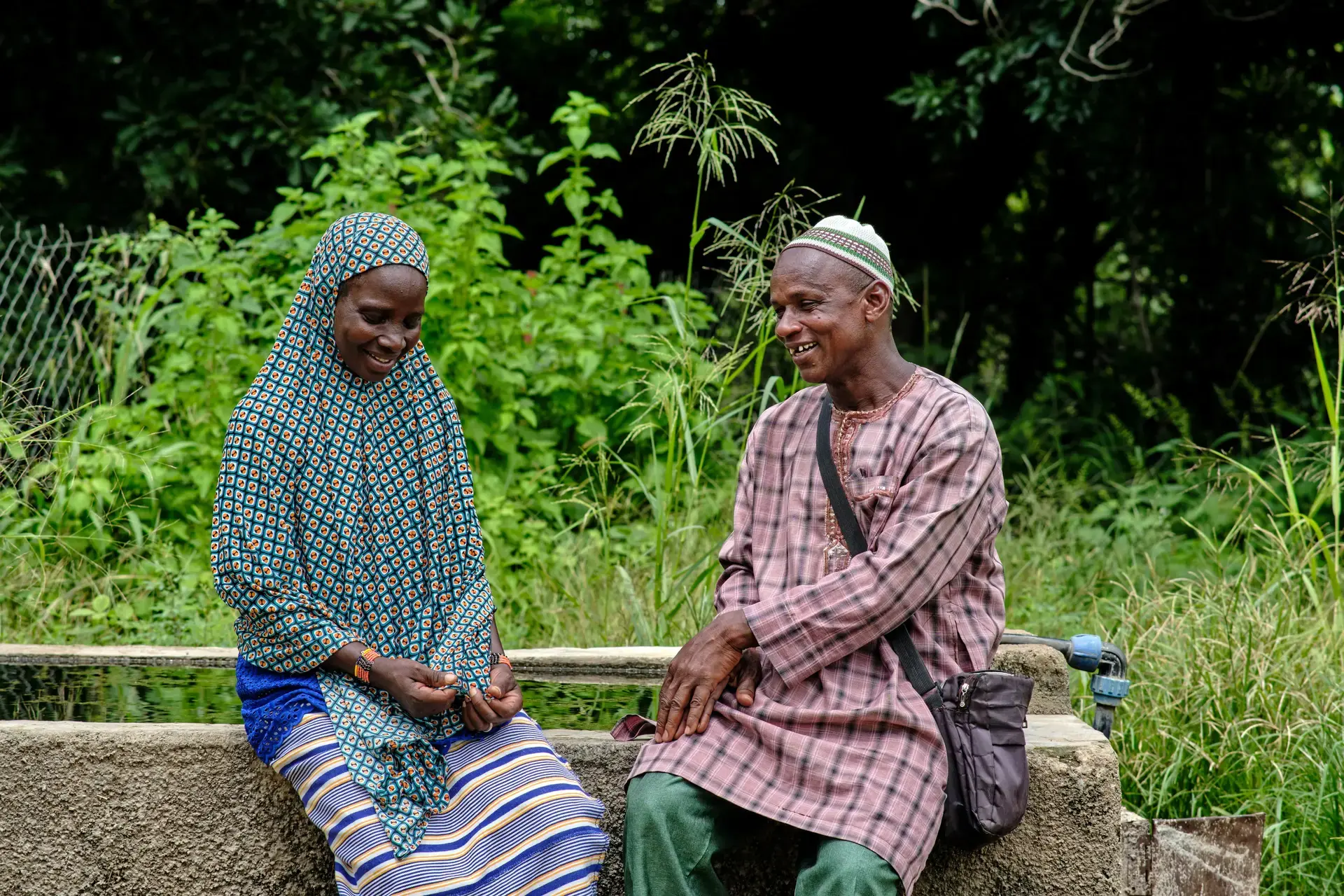
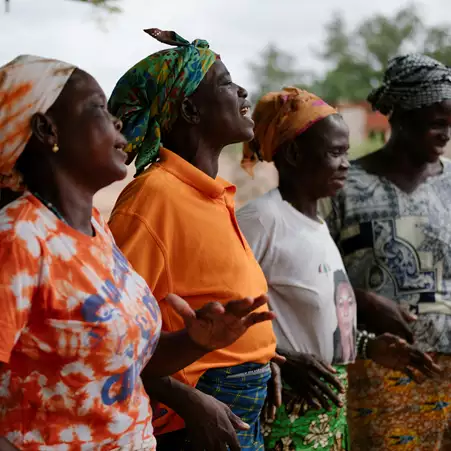
Awa and Fatimata’s stories
Working together in this way, women can earn a sustainable,…
trees grown
nutrition gardens
constructed
new village
enterprise groups
In Burkina Faso, poverty and hunger are widespread issues. During the long dry months, when people struggle to grow enough food, many can only eat once a day. Children often suffer the effects the most, with mothers being forced to rely on non-nutritious foods like maize to feed them.
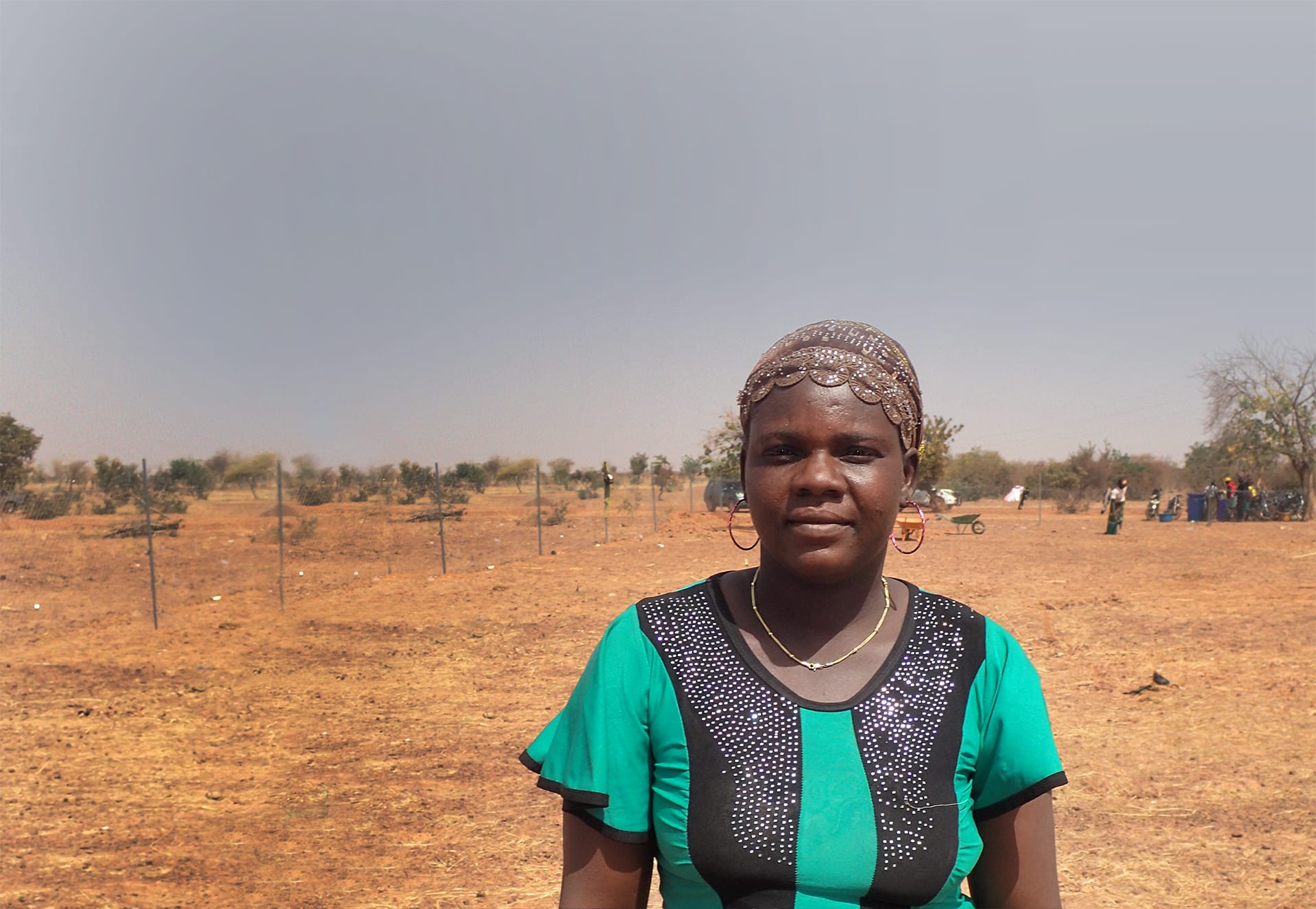
One-third of the country’s farmland is already degraded due to the effects of the climate crisis, and deforestation. These practices can degrade the soil, making it less productive over time. This is making it even harder for people to grow enough crops to eat and sell to earn an income.
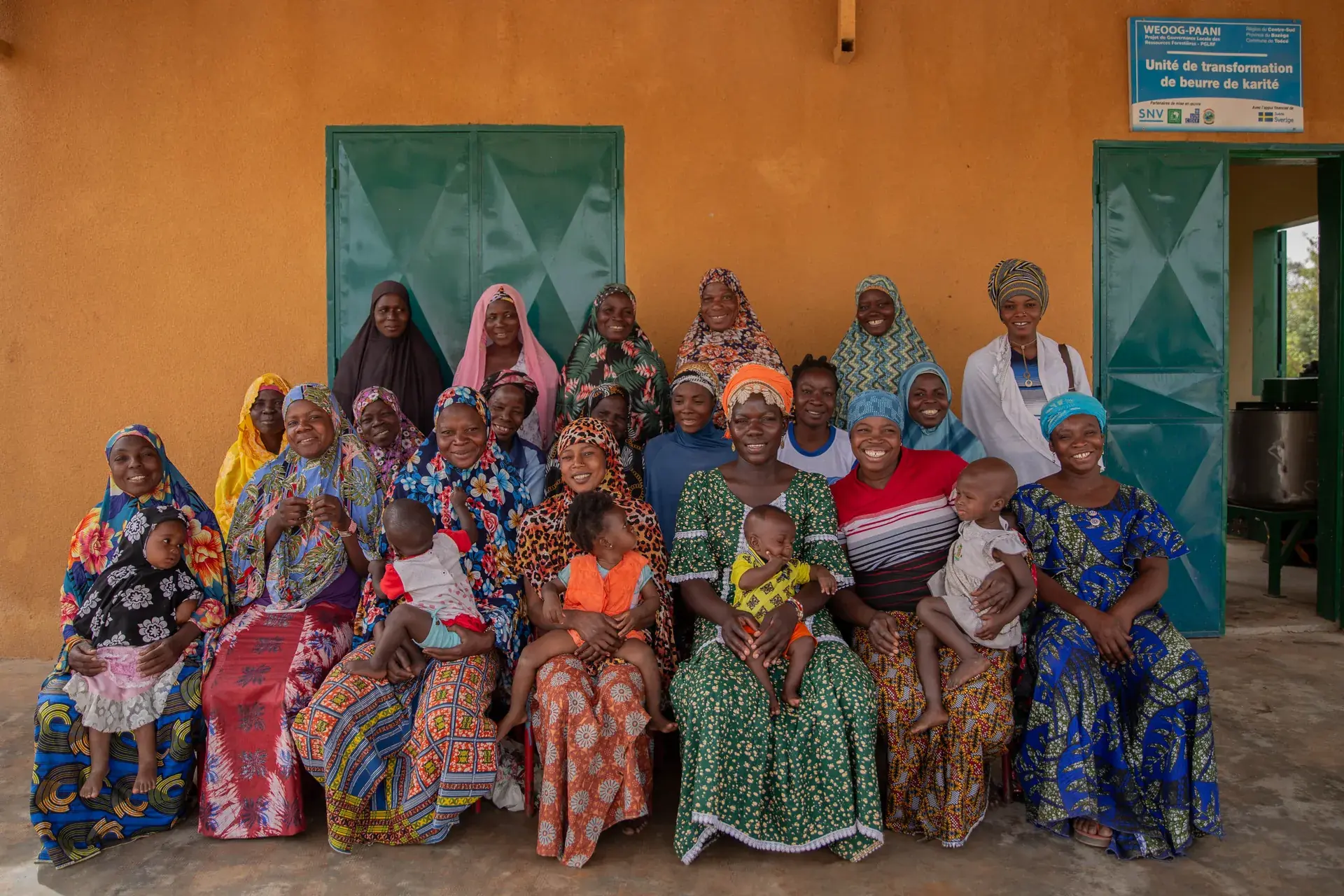
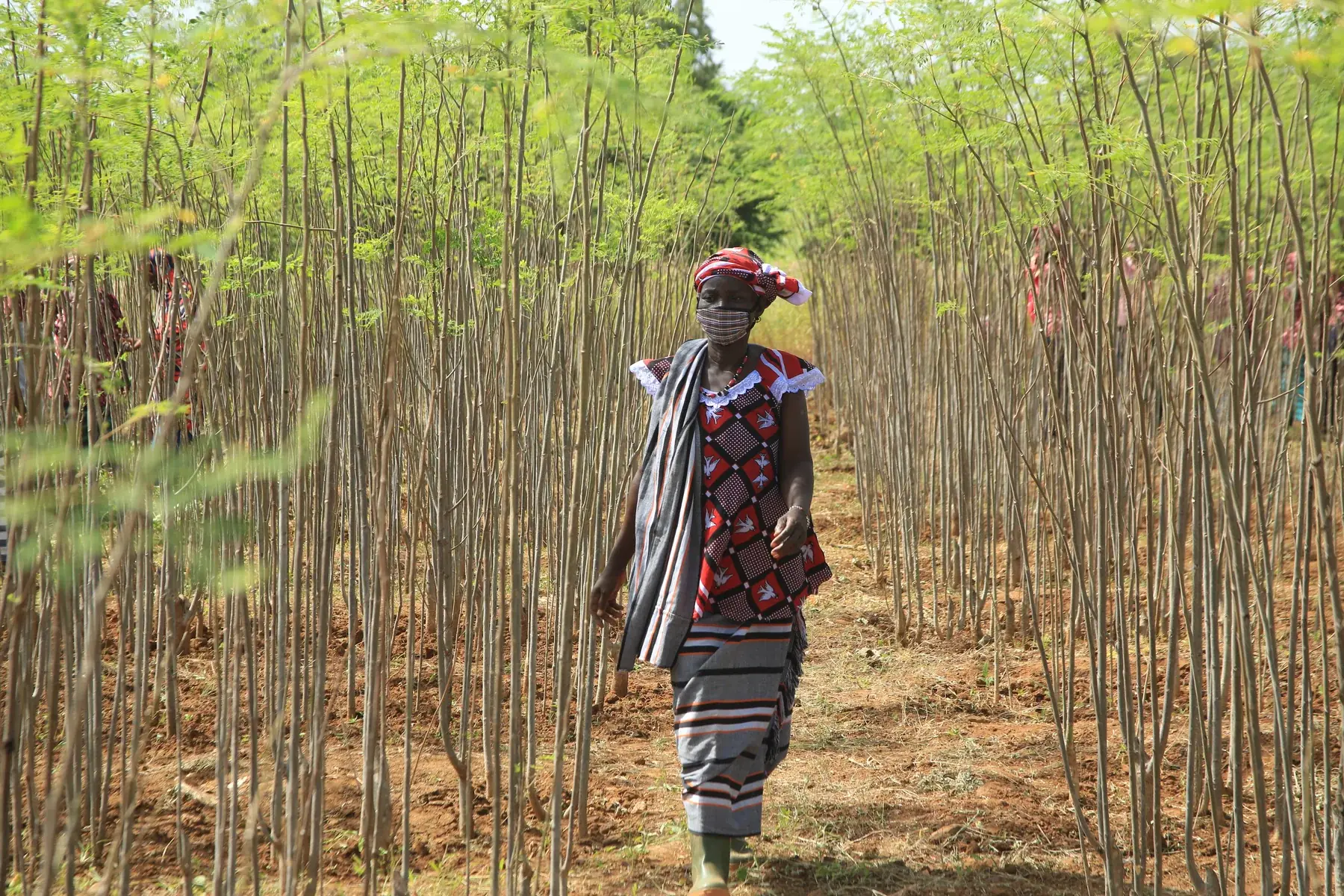
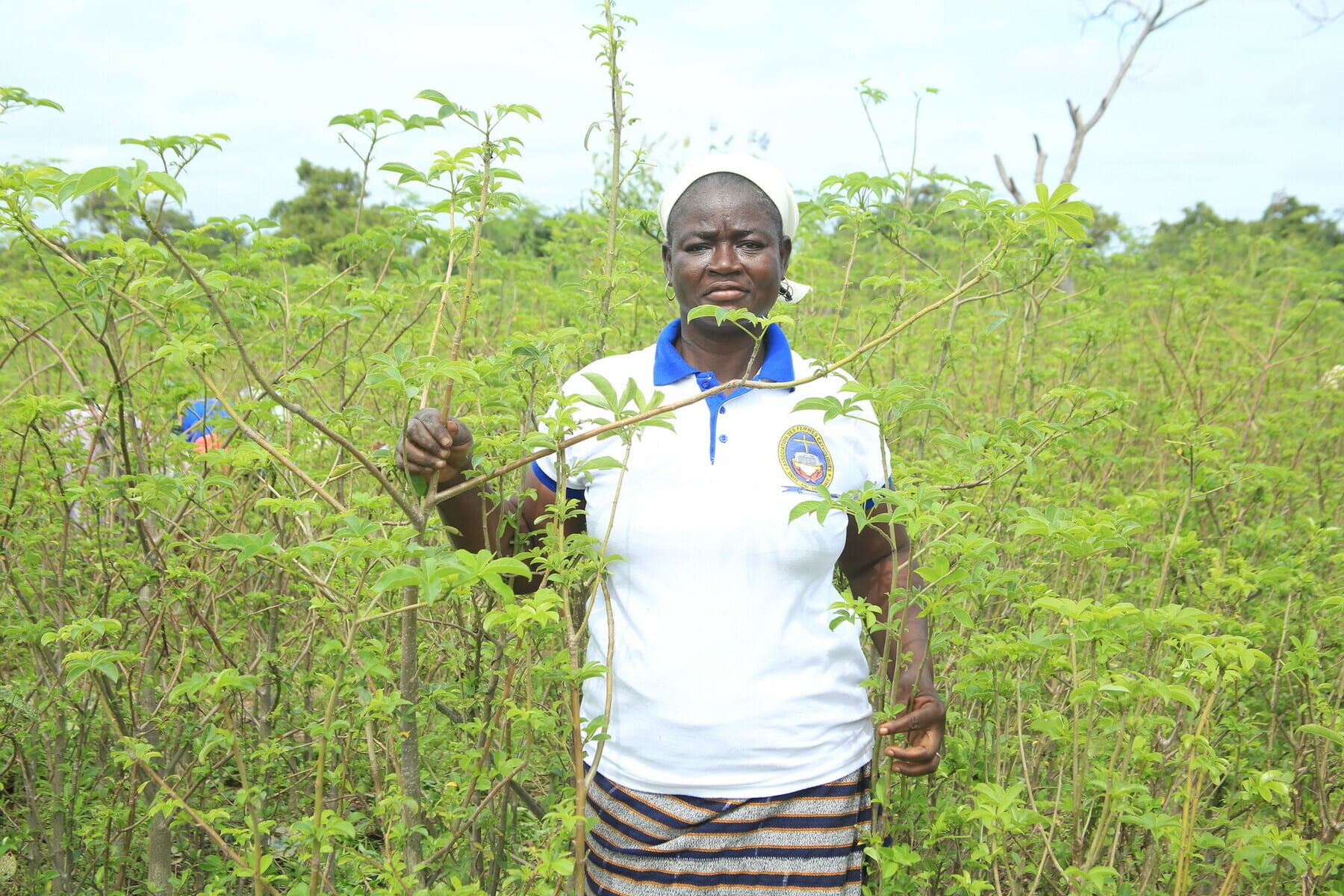
This project aimed to support women, young people and internally displaced people who are often the most vulnerable to hunger and poverty. Nutrition gardens were created and people were trained to grow and care for moringa and baobab trees. This helps to improve their resilience to climatic and security shocks through diversified and sustainable food production systems.
We also supported women with tools, training and opportunities for women entrepreneurs to improve their competitiveness and have better access to finance and markets to grow their businesses.
The project reached 400,000 people from around 57,000 households, 70% of whom are women and 50% young people. The project supported 600 individual and collective enterprises with 28,000 members, of which 55% are women and 30% are young people, and helped to create around 2,000 jobs.
When we get into an association the union makes us stronger… there are fifty women working on this site and thanks to these fifty women, we can do a lot of things.
Alizeta Ouedraogo, Burkina Faso
Since 2017 we have been working with communities in Burkina Faso that have been hard hit by poverty and hunger.
Read some of their stories.