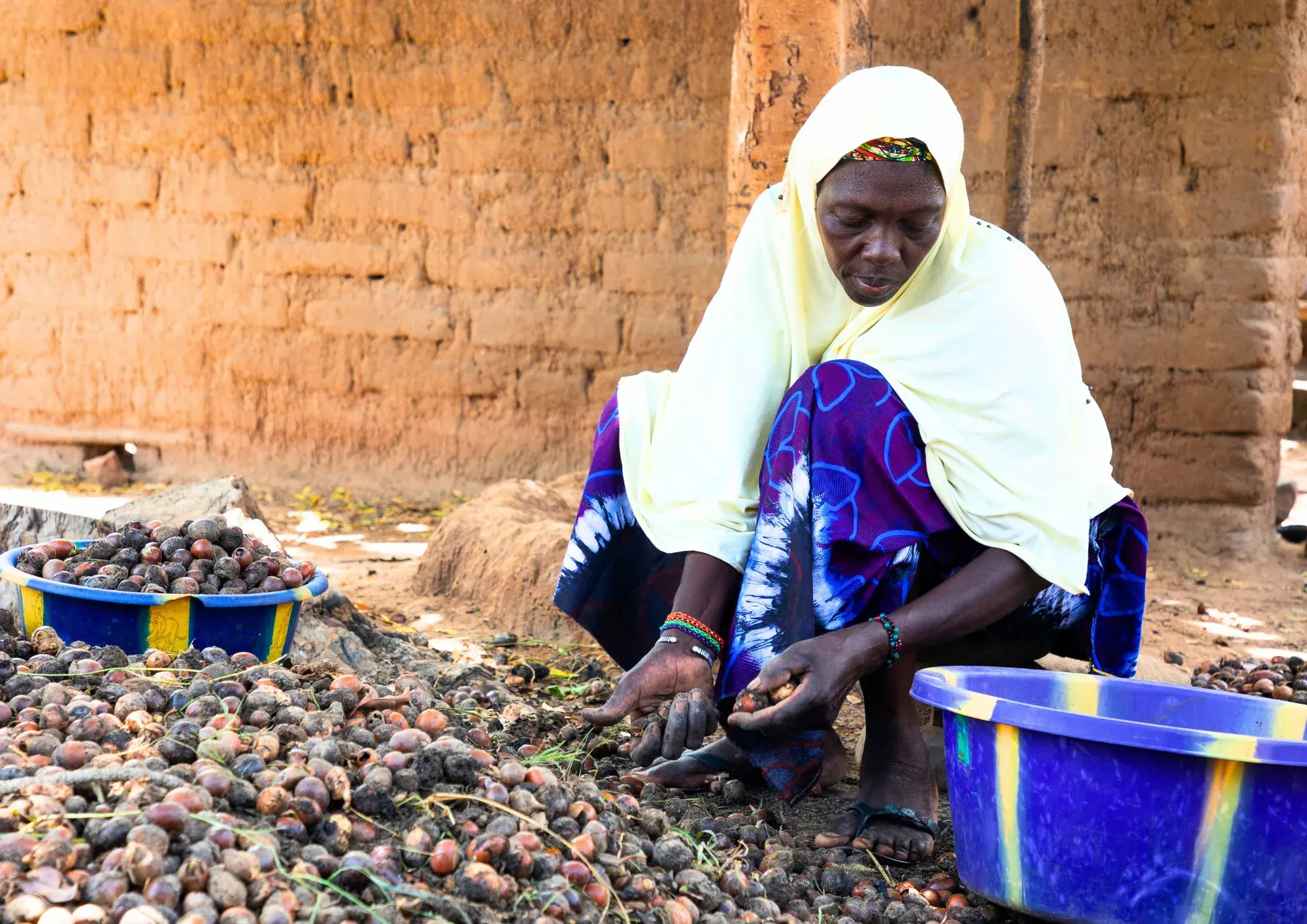
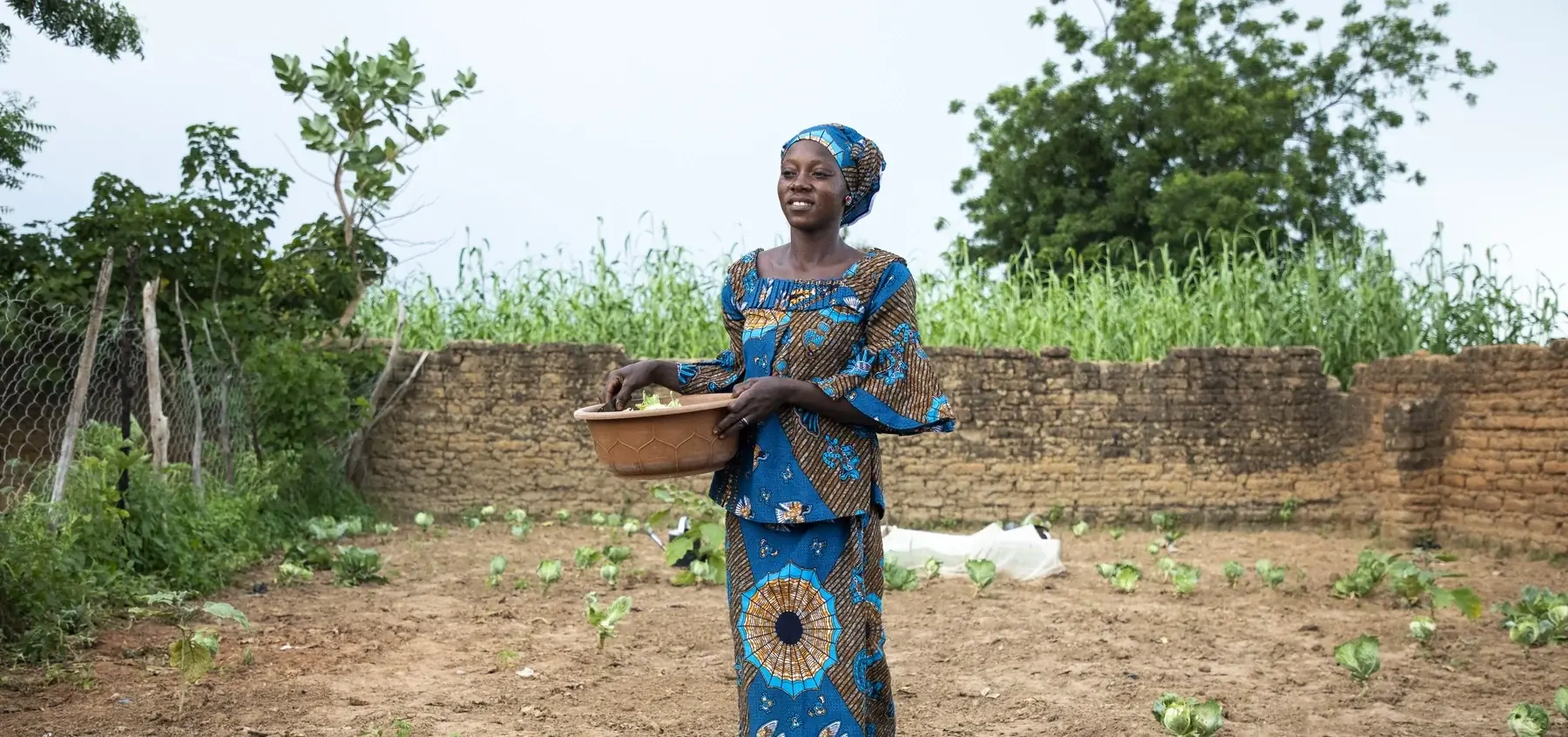
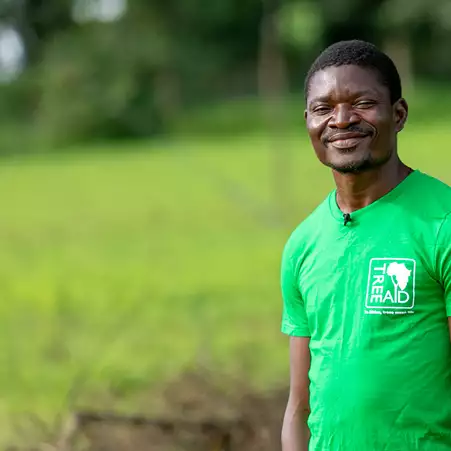
Setou’s Story
“Agriculture is all we do, and we are entirely dependent…
trees grown
people supported
ha of land sustainably managed
In Mali’s Ségou region, communities are feeling the growing strain of a changing climate. Across the country, around 68.3% of people live in multidimensional poverty, meaning they lack access to essentials like healthcare, education, clean water, and decent housing. Agriculture remains an essential source of livelihood, employing around two-thirds of the working population. Yet this dependency is increasingly precarious.
Rising temperatures, unpredictable rainfall, floods and desertification are making it harder and harder for farmers to succeed. Communities rely on tree resources for fuel, food and income. Over-grazing, timber-cutting, unsustainable hunting and rapid expansion of farmland are now putting intense pressure on the ecosystems of the Safienso, Sanekuy and Mio forests in Ségou. Land is degrading fast, and once-vital landscapes are being stripped of their resilience.
This project is empowering communities in Ségou to take the lead in restoring and protecting their forests. Three forest management cooperatives will oversee the sustainable use of 26,700 hectares of land, supported through training in forest governance, soil and water conservation, and the planting of two million native trees.
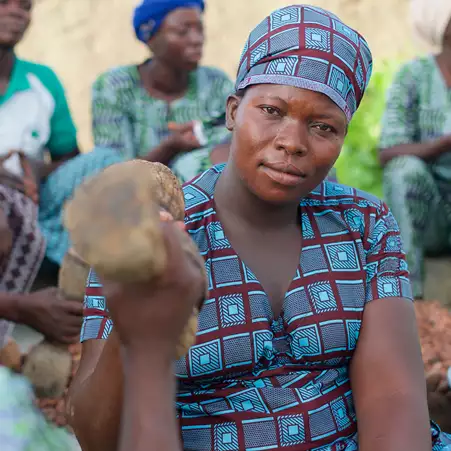
We’ll also build six water reservoirs to support farming through the dry season and establish 30 village enterprise groups, mostly led by women, to grow sustainable incomes from non-timber forest products. Alongside this, 30 nutrition gardens planted with baobab and moringa trees will help families access nutritious, home-grown food year-round.
Two thirds of Mali is desert, and a third of its population lives in extreme poverty.
Tree Aid has been working with communities to tackle this since 1993.
Read some of their stories.