Our Trees
And how we grow them
Right trees. Right Place.
At Tree Aid, we don't just plant trees and walk away.
Our projects are designed with local communities to address their needs for increased income, climate resilience and access to nutritious food in a joined up way.
Cashew
More than just a nut
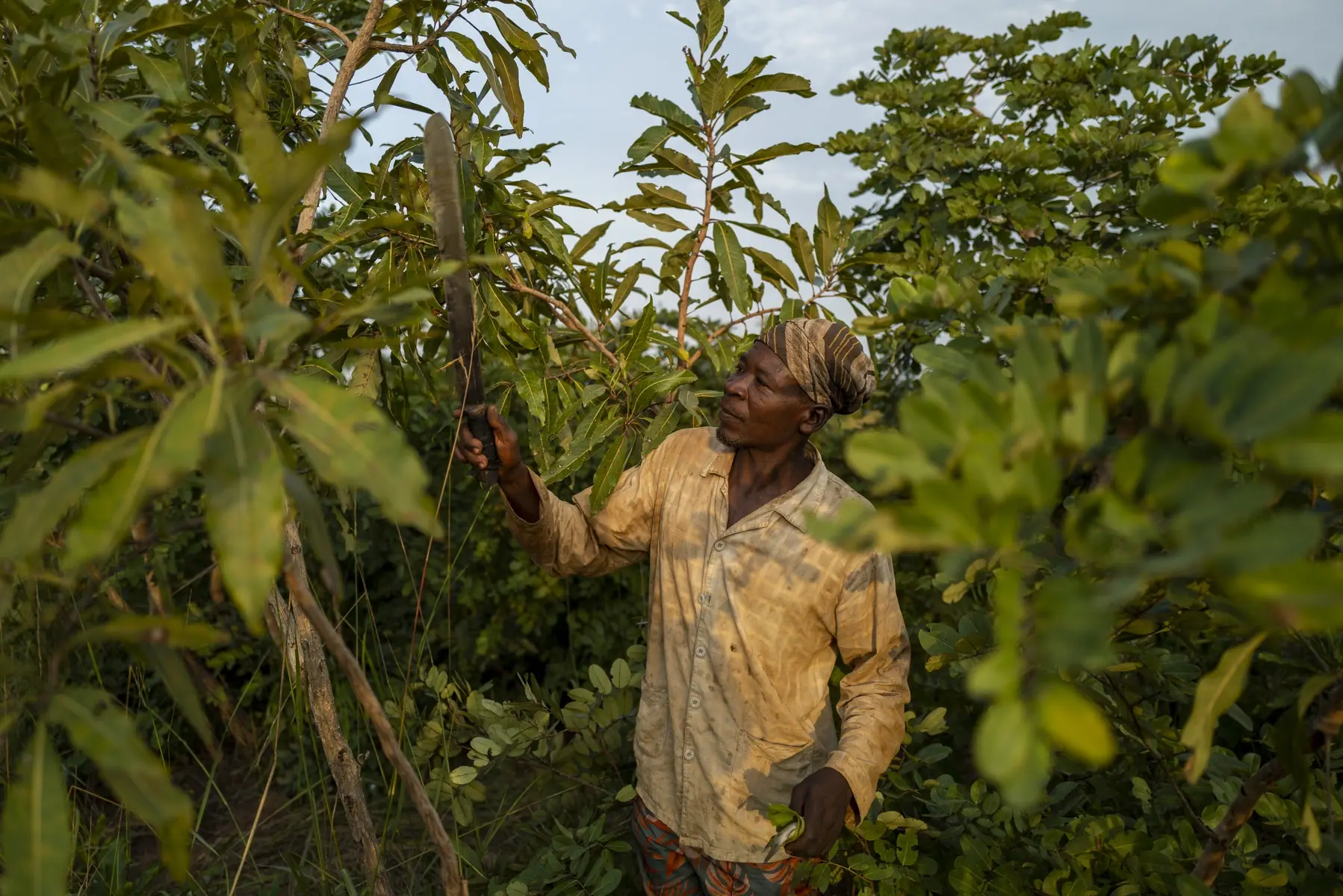
Cashew trees are “zero-waste” marvels. In Ghana’s West Gonja region, farmers working with Tree Aid are turning the fruit and the nut into value: apples become juice, jam and even kebabs, while the nuts sell as a high-energy snack. One tree, multiple products — and a smarter way to earn.
Cashews are also tough. Once established, they cope with poor soils and dry spells, helping restore degraded land. Planted alongside climate-smart farming, they give families a crop they can rely on, even when the rains don’t.
Shea
Women’s gold powering communities
Shea isn’t just for lotions – it’s a lifeline. The fruit can be eaten, and the nuts are processed into butter used for cooking and the global cosmetics industry. Yet land-clearing is wiping out shea trees at pace, putting food and income at risk.
Across West Africa, millions of women earn money from shea. Tree Aid backs enterprise groups with training, processing tools and safe storage, so women can sell at the right time and keep more of the value. Protecting shea trees and building stronger businesses helps whole families do better.
Frankincense (Boswellia)
Ancient resin, modern lifeline
Frankincense is a fragrant resin tapped from Boswellia trees. In Ethiopia, tappers make careful cuts in the bark, then return once the resin has hardened into tear-shaped drops. It’s still used in incense and essential oils – and for many families, it pays for the basics.
But these trees are in trouble. Deforestation and a harsher climate are pushing frankincense forests towards collapse. Tree Aid works with local partners to grow seedlings, improve sustainable harvesting, and build storage and grading spaces – so the forest can keep supporting people for the long term.
Baobab
A giant pantry, a place to gather
Baobabs can live for centuries, storing water in their swollen trunks and throwing shade like a natural shelter. People use almost everything: leaves for meals, seeds for oil, bark for fibre, and fruit that’s naturally dry and packed with goodness. It’s one tree that feeds, helps and holds communities together.
When communities protect baobabs and harvest responsibly, the benefits stack up: more food, more income, and land that copes better with heat and drought. In Tree Aid projects, tree products like baobab are helping families build real resilience – because a healthy landscape is a safer future.
Moringa
Fast-growing food, right where it’s needed
Moringa is a “drought warrior” that grows quickly and can be harvested within months. Its leaves are rich in protein, vitamins and minerals, and they’re used fresh or dried in everyday meals. When other crops struggle, moringa keeps showing up.
Tree Aid plants moringa in village “nutrition gardens” – communal plots that make healthy food and small incomes easier to grow locally. In Burkina Faso, these gardens have helped drive a major drop in malnutrition over a few years, while building skills around growing, drying and using the leaves.
Moringa leaves help us a lot, to cure a lot of diseases. The leaves have elements that help our children and because of that we can do a lot of things. It has also helped us to have an income to care for our families
Alizeta Ouedraogo, Nutrition Garden Project participant, Burkina Faso
Don’t you need water to plant trees?
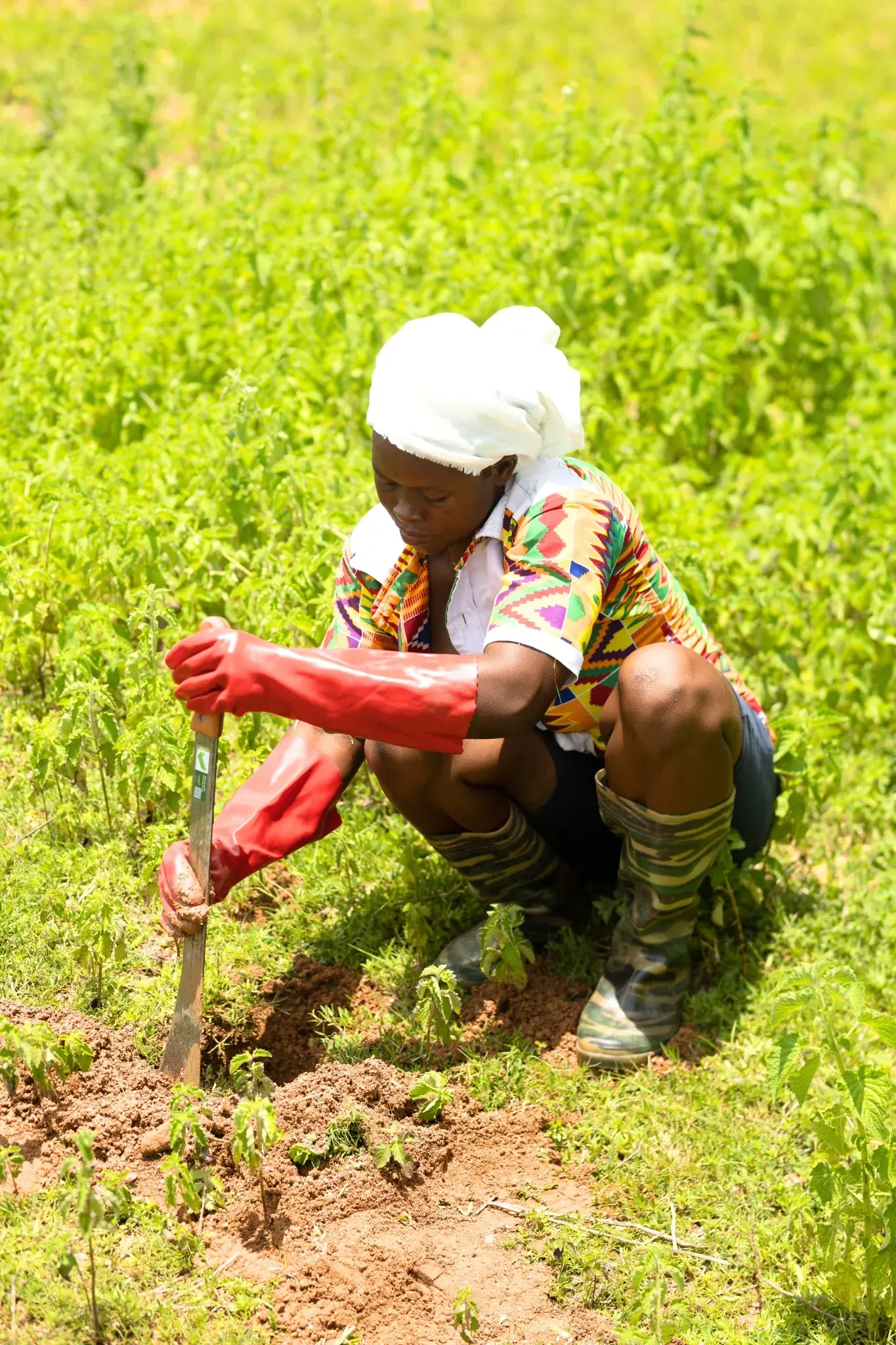
In the drylands of Africa, rain only falls for three months of the year, in a concentrated ‘rainy season’. Conserving the water, and preventing drought and flooding, is key to our trees’ survival. That’s why we work to equip communities with the tools and training they need to manage land and water together.
Some of these water-conserving techniques include zai pits (holes in the soil that trap water), stone bunds (barriers to prevent water running off the land), and boulis (rainwater conservation reservoirs).
Agroforestry
Growing Trees With Farmers
Agroforestry (growing trees on farmland) is a technique we implement across many of our projects. Bringing the forest to the farm can help to diversify farmers’ incomes, boost yields, restore degraded land, and increase biodiversity.
What about wildfires?
Today’s wildfires are growing into more frequent, more intense and more damaging disasters. As a tree growing organisation, how do we ensure the trees we plant go on to live long and healthy lives?