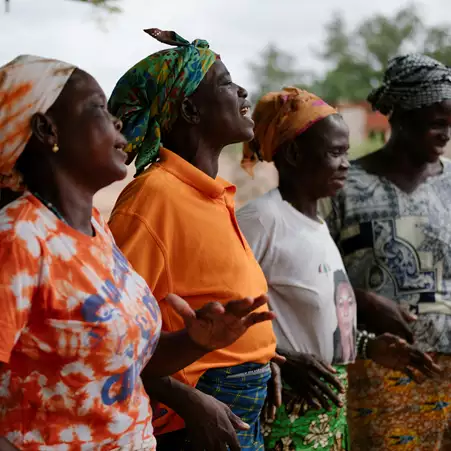
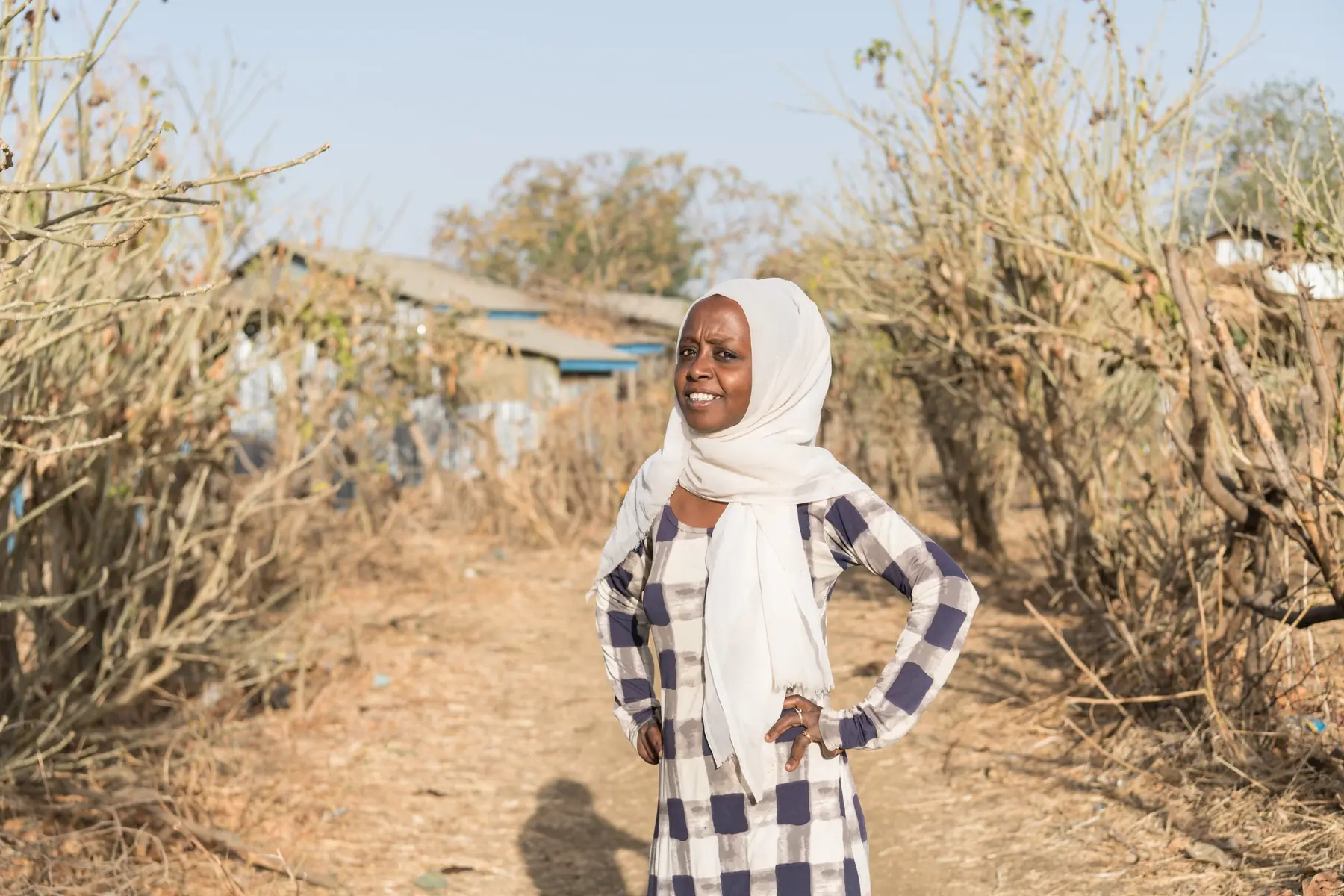
Birtukan’s Story
Women of the Great Green Wall
frankincense trappers trained
in new sustainable methods
farmers trained in
climate-smart methods
fruit seedlings
distributed for agroforestry
In northern Ethiopia, temperatures are rising, trees are disappearing, land is becoming infertile and the desert is spreading. The Metema forest in Ethiopia is in the last green belt before the start of the desert. Without action, it will be on the brink of extinction in just 20 years.
The climate crisis, shrinking forests, forest fires and unsustainable tapping for frankincense, is stopping the frankincense forest from regenerating. This will have a devastating impact on communities who rely on the forest for food and income. There will be no buffer between them and the encroaching desert.
To increase farmland productivity through the power of trees
To improve and inform sustainability of frankincense harvesting and increase the health of Boswellia frankincense trees
To provide tools and training to local enterprises, improving the quality of the frankincense resin they produce
To increase incomes of 360 households, by establishing 18 Village Tree Enterprises (VTEs), to sell sustainably sourced forest products, such as frankincense and honey. This will allow local people to diversify and improve their incomes, whilst incentivising sustainable use of the forest.
The Metema forest is particularly special because of its frankincense trees which are a lifeline for local communities. In this part of Ethiopia, they provide up to 30% of household income for the families who sell their resin which is used as incense and in essential oils around the world.
While frankincense trees can provide a vital source of income, unsustainable practices used to extract the resin, are putting their future at risk.
That’s why, through this project we are supporting communities with the tools and training they need to sustainably use frankincense trees and protect them for the future.
This carousel showcases stories from Ethiopia.
The country name is dynamically populated
Don’t forget to set the taxonomy of the invisible heading to “Countries”
This project has additional partners both in the UK and in Ethiopia, including Forest Research, Swansea University, Ethiopian Biodiversity Institute (EBI) and the Ethiopian Environment and Forest Research Institute (EFFRI). Details of each partner and their role as follows: