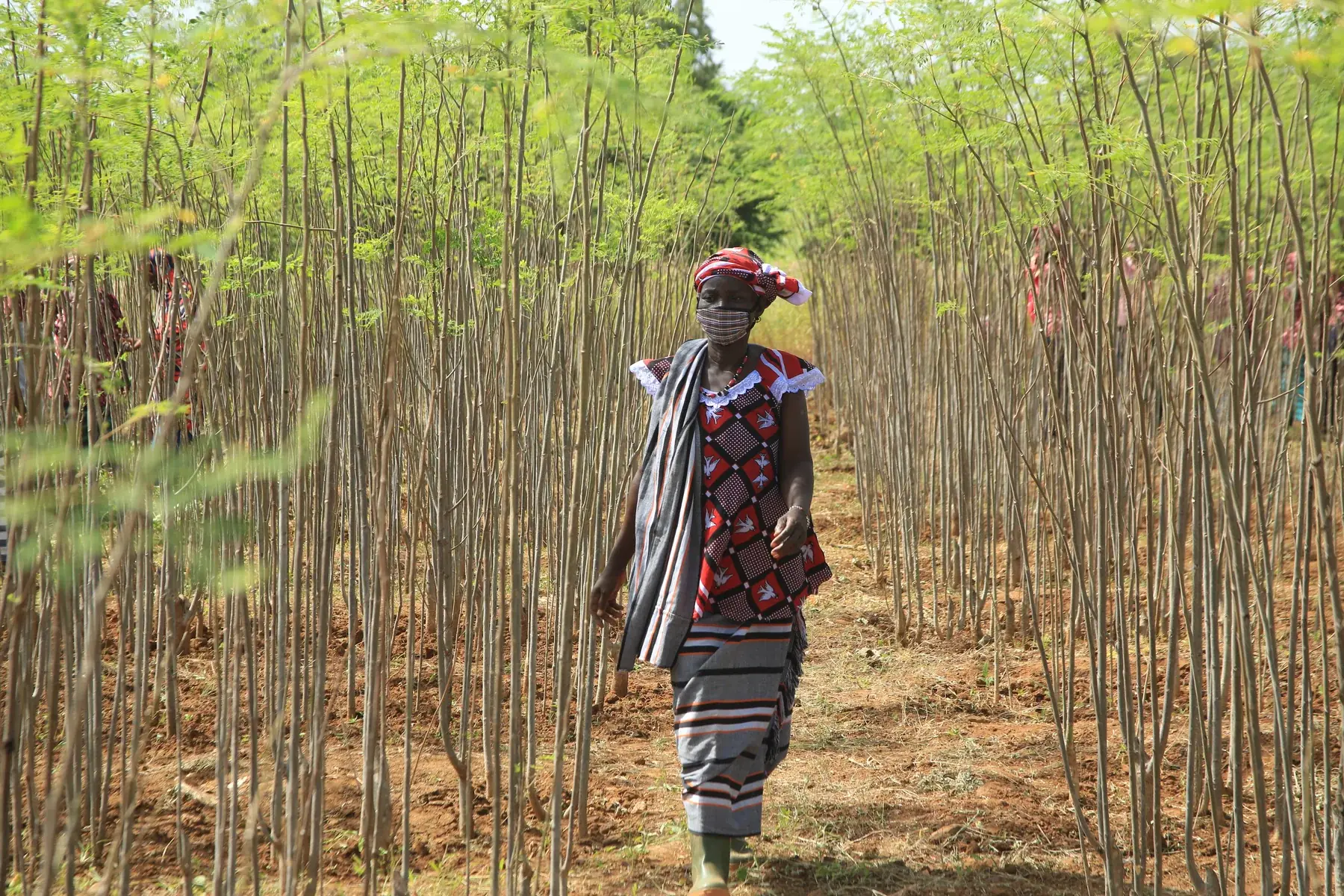
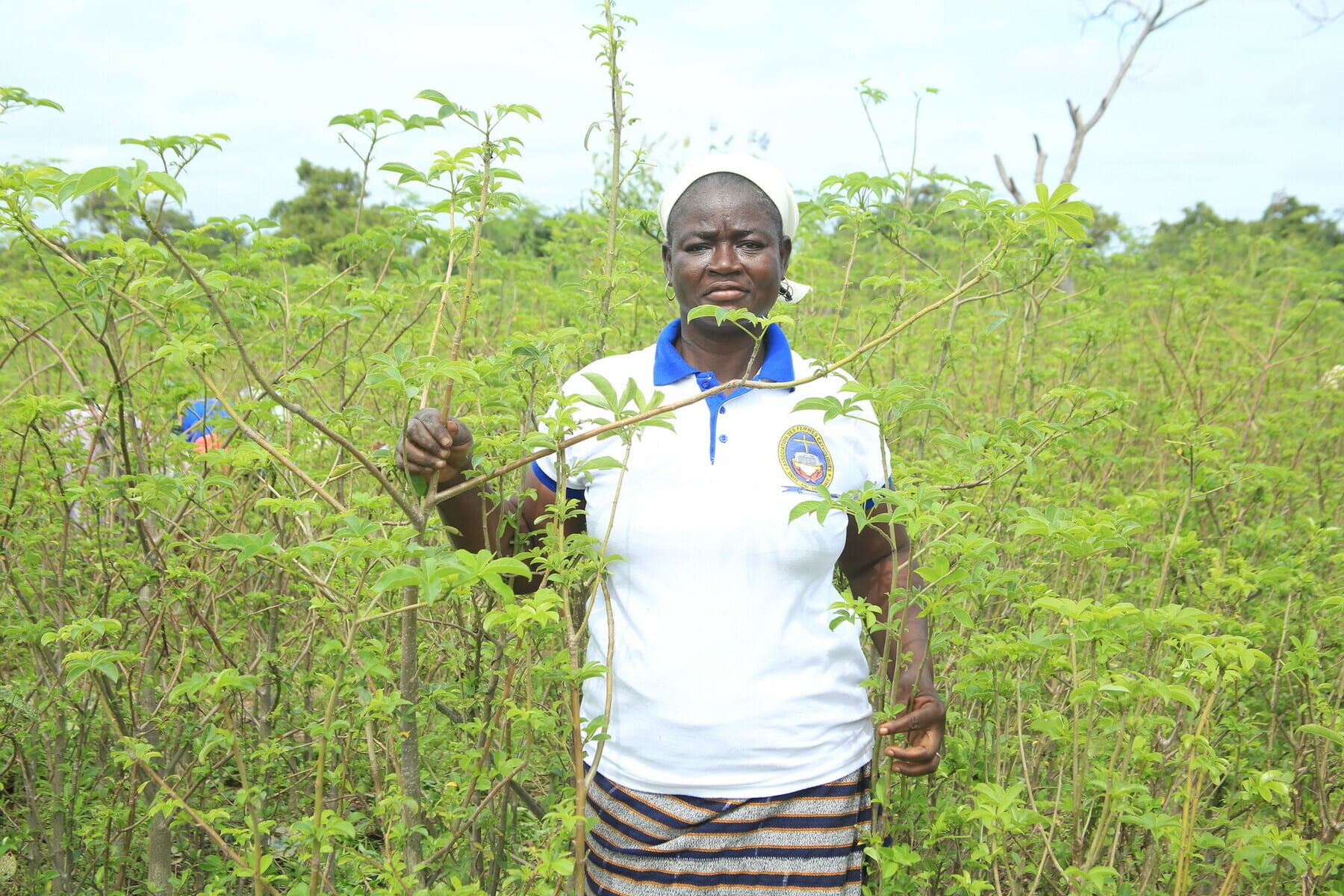
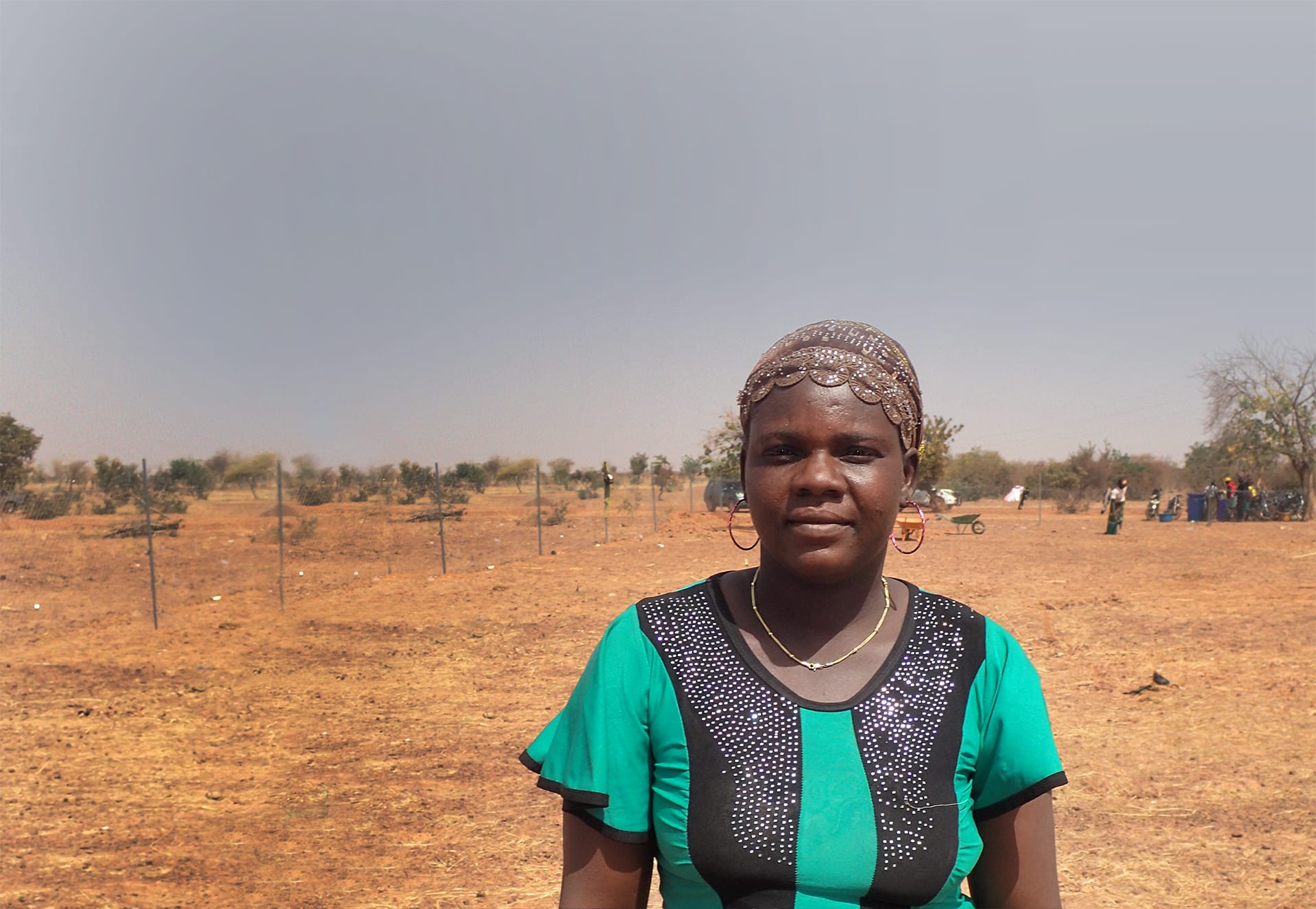
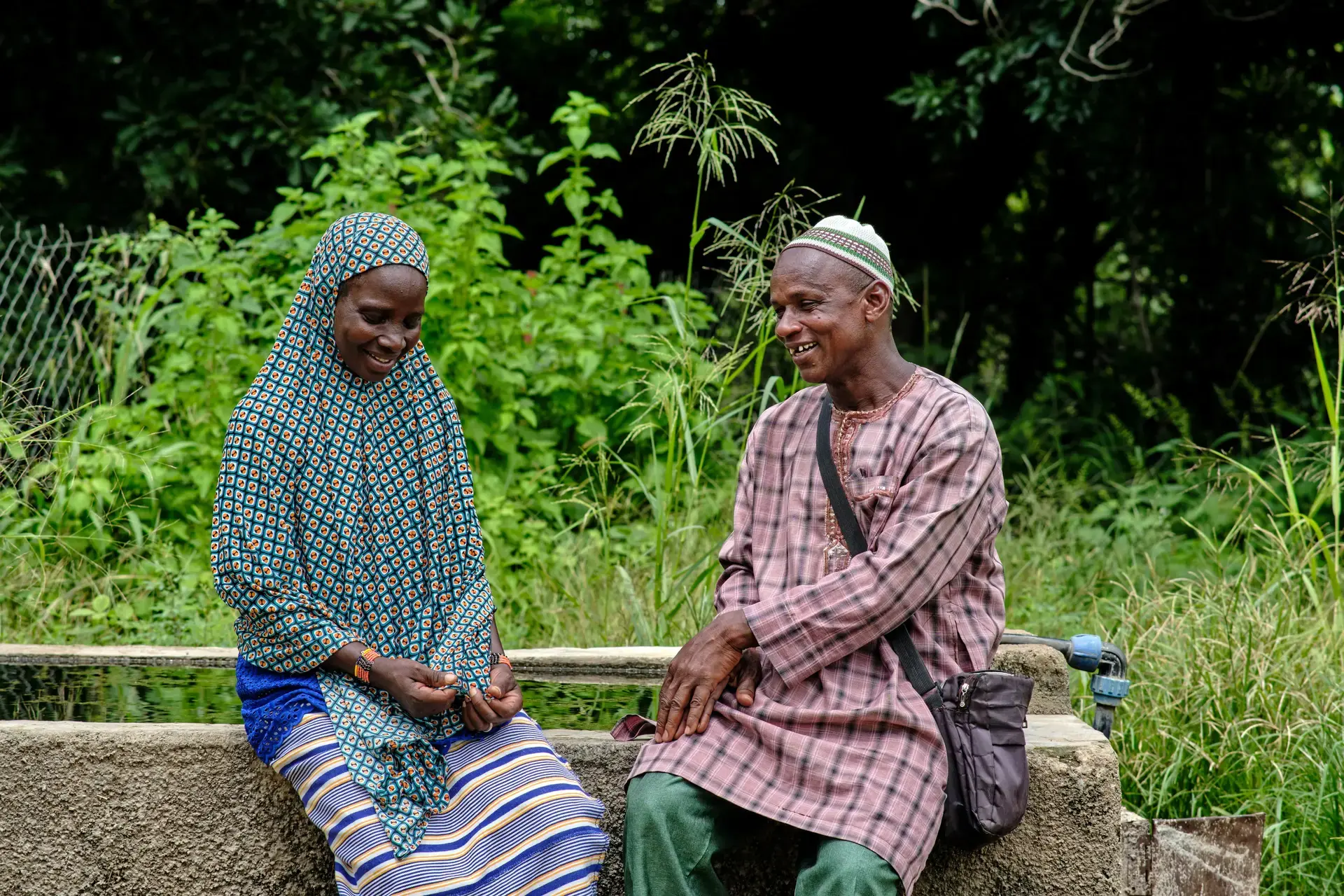
Awa and Fatimata’s stories
Working together in this way, women can earn a sustainable,…
people supported
hectares of land
benefiting from restoration
forest areas
Over 70% of people in Burkina Faso live rurally and rely on the land and trees to get food to eat and products to sell for an income. But the effects of the climate crisis and deforestation are causing the land to rapidly lose its fertility. As a result, poverty and hunger are major issues here.
To make matters worse, communities that rely on the forests don’t always know who is in charge of them. This means people are often unable to manage and protect forests in the way that they need.
This project aimed to reduce poverty and hunger for people across Burkina Faso. We supported communities to set up forest management plans and learn how to restore and protect their environment. The project also focused on supporting people — particularly women — to process and sell tree products like shea butter to improve their income.
We rolled out this approach into even more communities through phase two of the project.
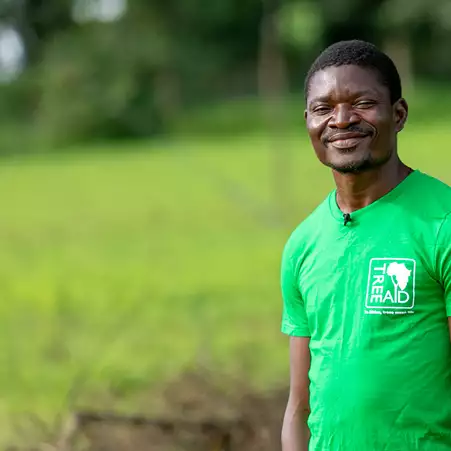
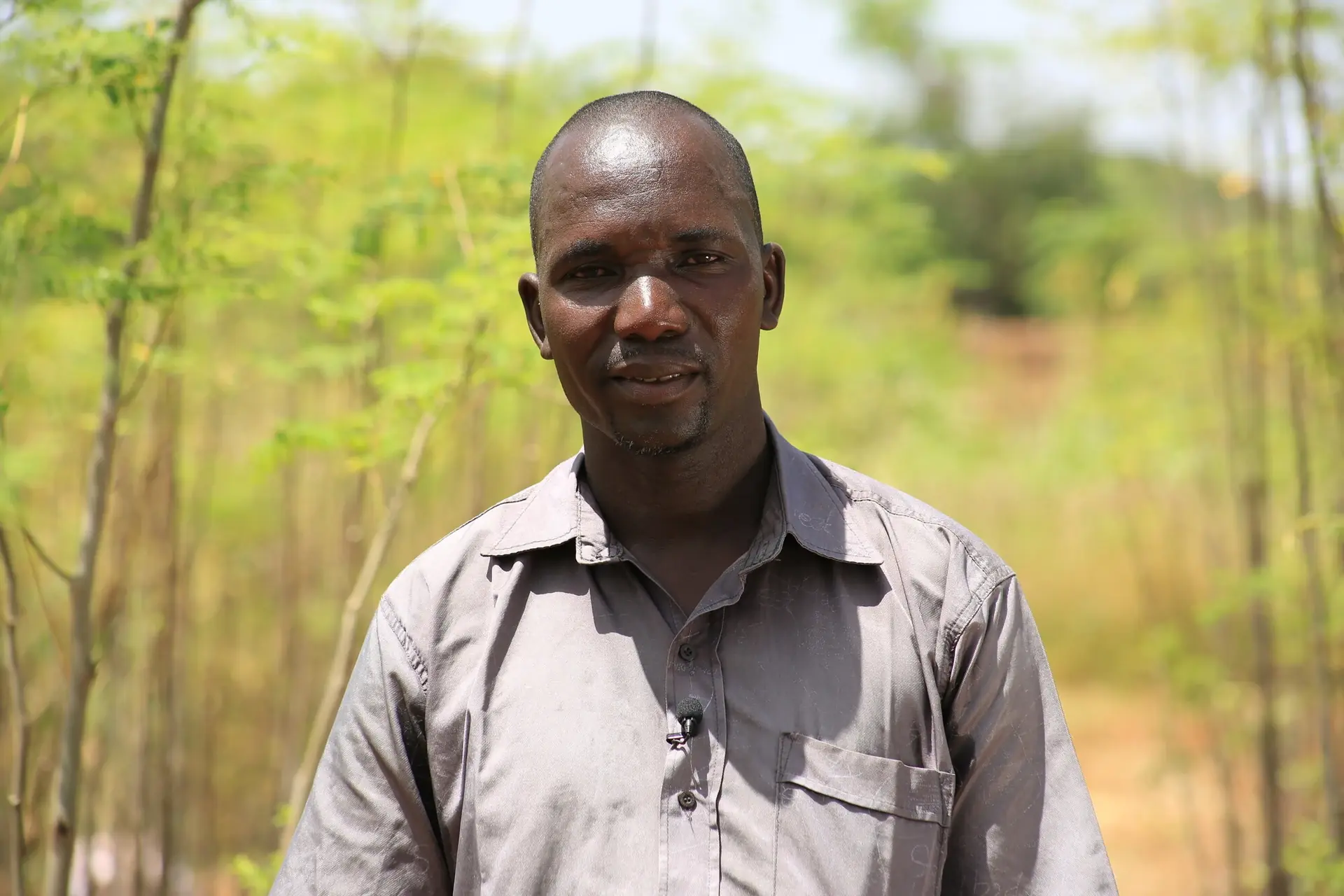
I patrol the forest making sure that it is not being misused. During meetings, we all discuss how we can make saving and growing the forest the job of the whole village. We all need to care for the forest so we can use it.
Somowaga, volunteer forest guard
We supported communities to restore and protect over 22,800 hectares of land. We helped people to gain access to trees and set up forest management plans to protect the forests for the future. We also encouraged women to engage in forest management and increased women’s participation from 24% to 71%.
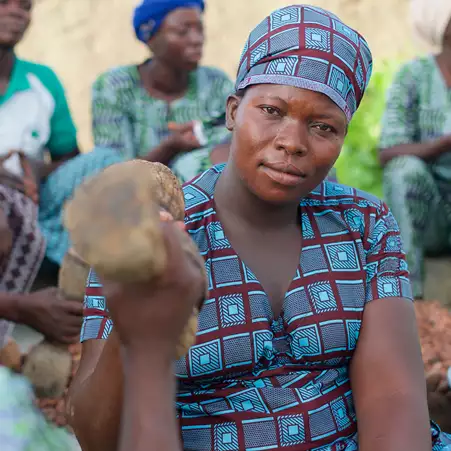
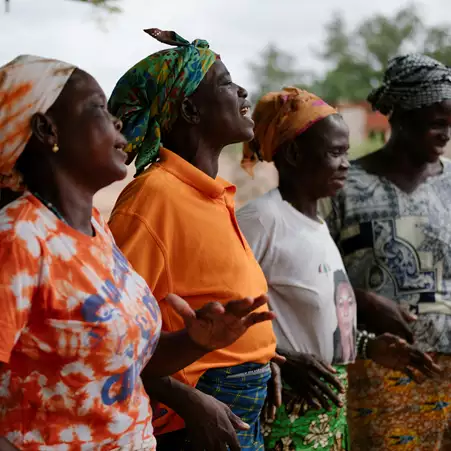
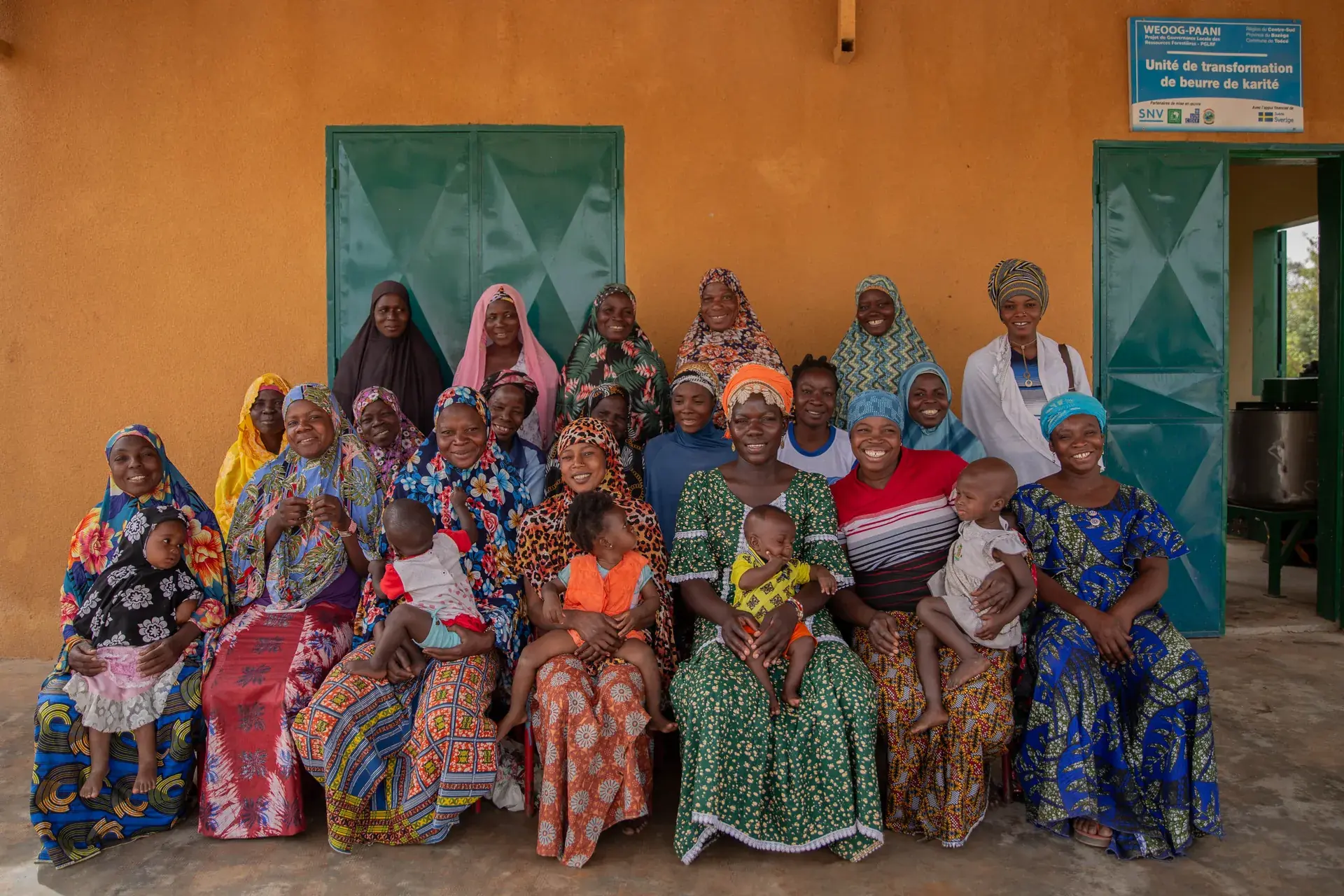
With equipment and business training, women’s enterprise groups were supported to improve the quantity and quality of their shea butter and increase their income from it.
Read the inspiring real stories of people we’ve worked with in Burkina Faso.
The first phase of this project was funded by the UK Department for International Development’s Civil Society Challenge Fund. The second phase was funded by the Swedish International Development Agency, who also funded the scale-up of the project. We worked with other partners including UNCDF, SNV, MEEVCC, and GAGF.