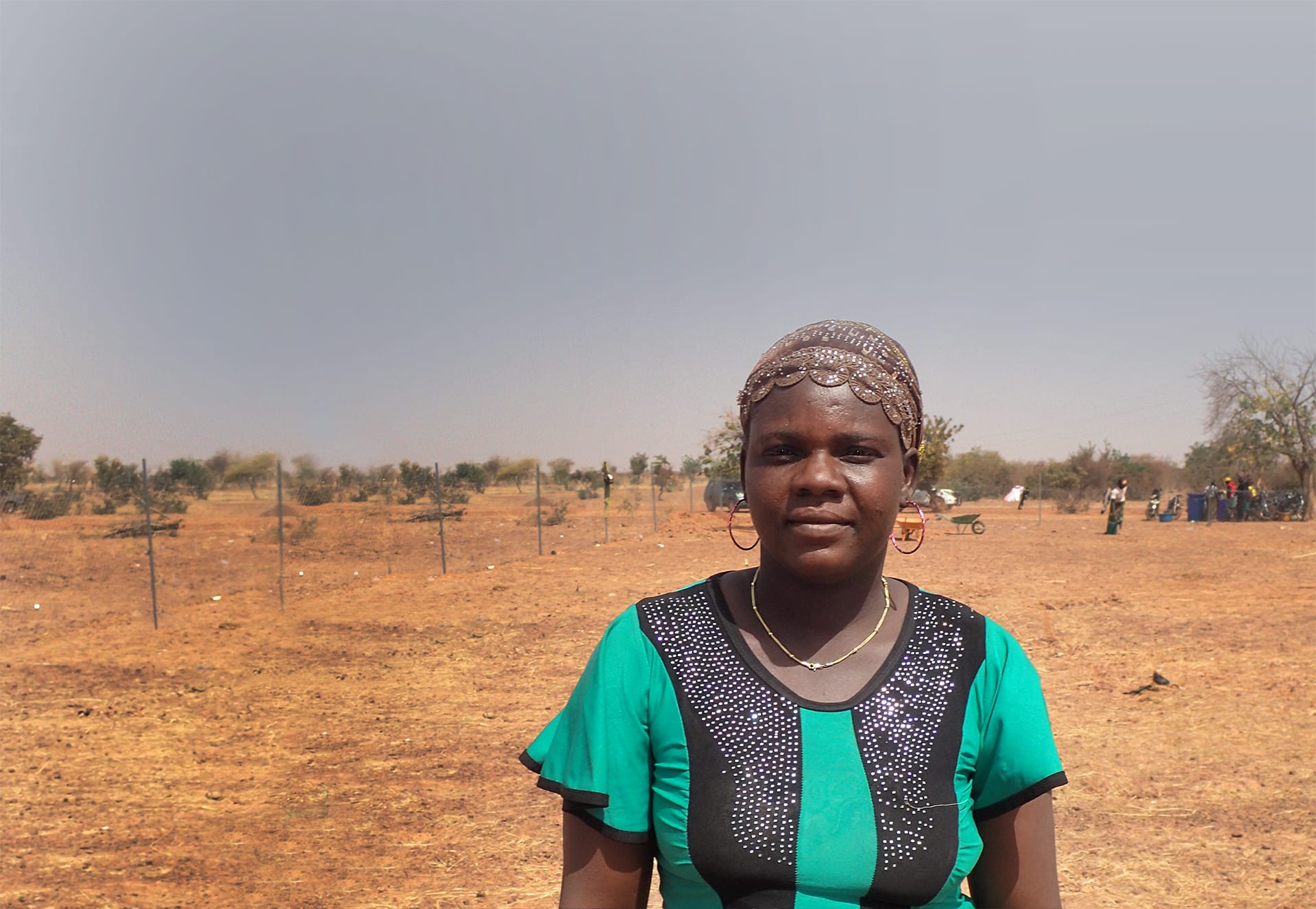
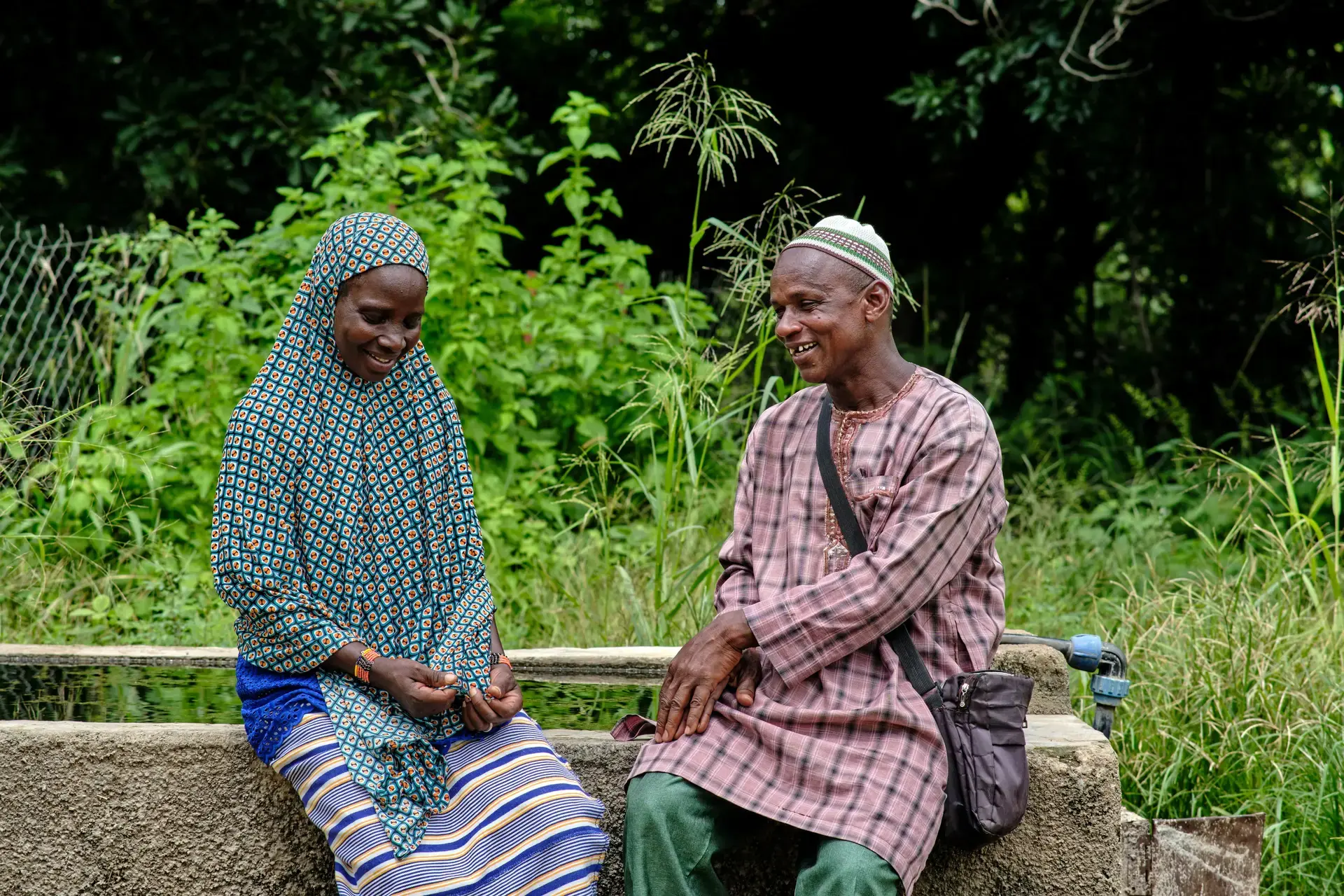
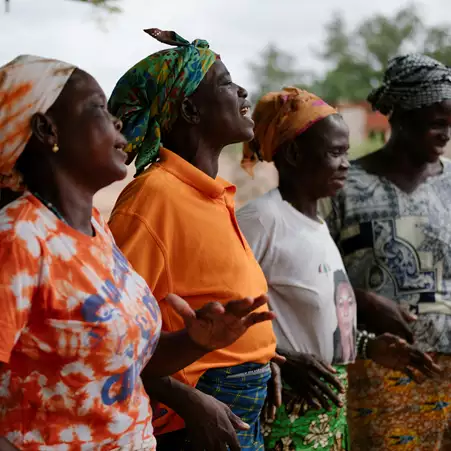
Awa and Fatimata’s stories
Working together in this way, women can earn a sustainable,…
increase in average
household income
reduction in malnutrition
in children under five
hectares of land under
sustainable management
In Burkina Faso, poverty and hunger are widespread issues. During the long dry months, when people struggle to grow enough food, many can only eat once a day. Children often suffer the effects the most, with mothers being forced to rely on non-nutritious foods like maize to feed them.
One-third of the country’s farmland is already degraded due to the effects of the climate crisis and deforestation — the clearing of trees for things like farms. This is making it even harder for people to grow enough crops to eat and sell to earn an income.
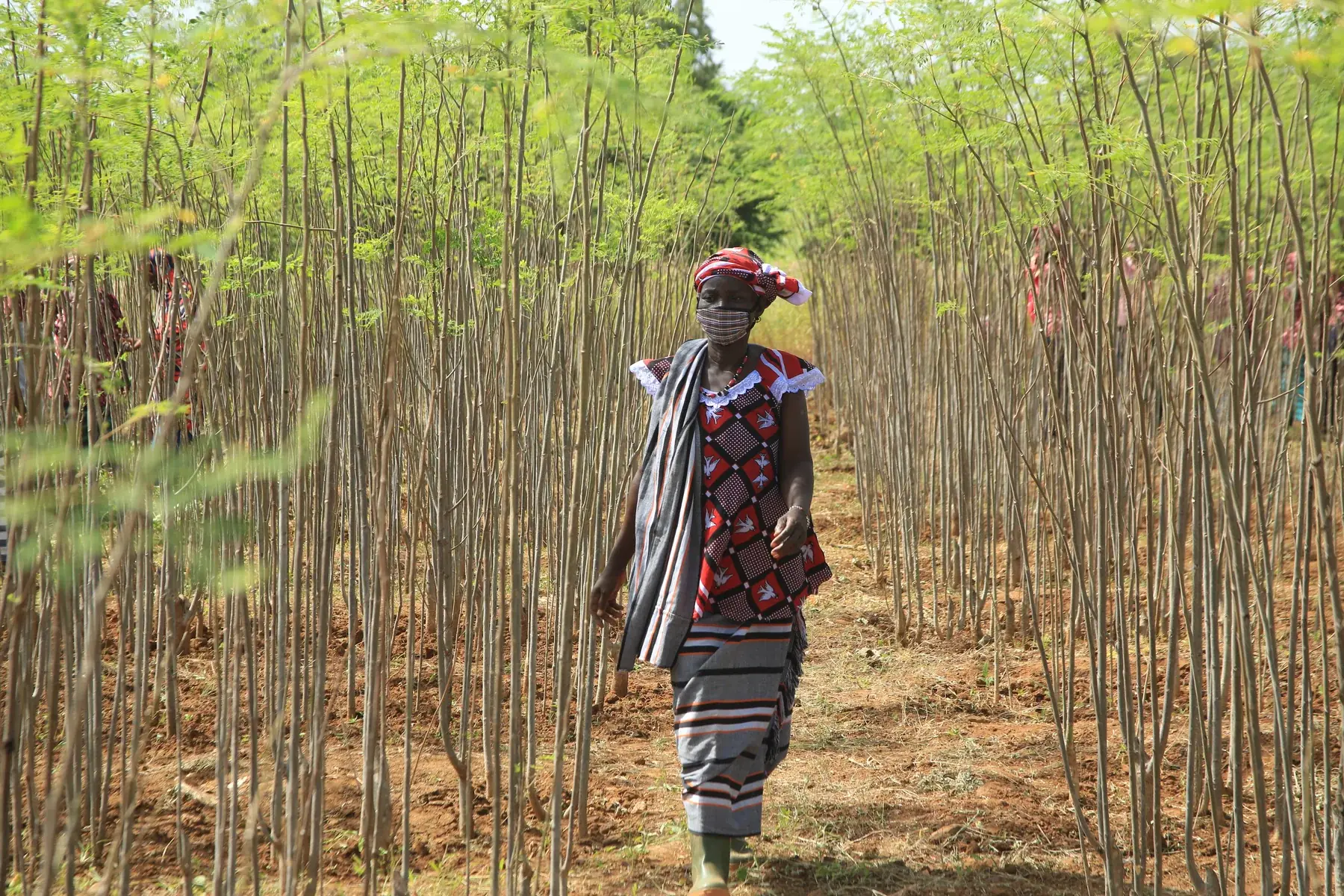
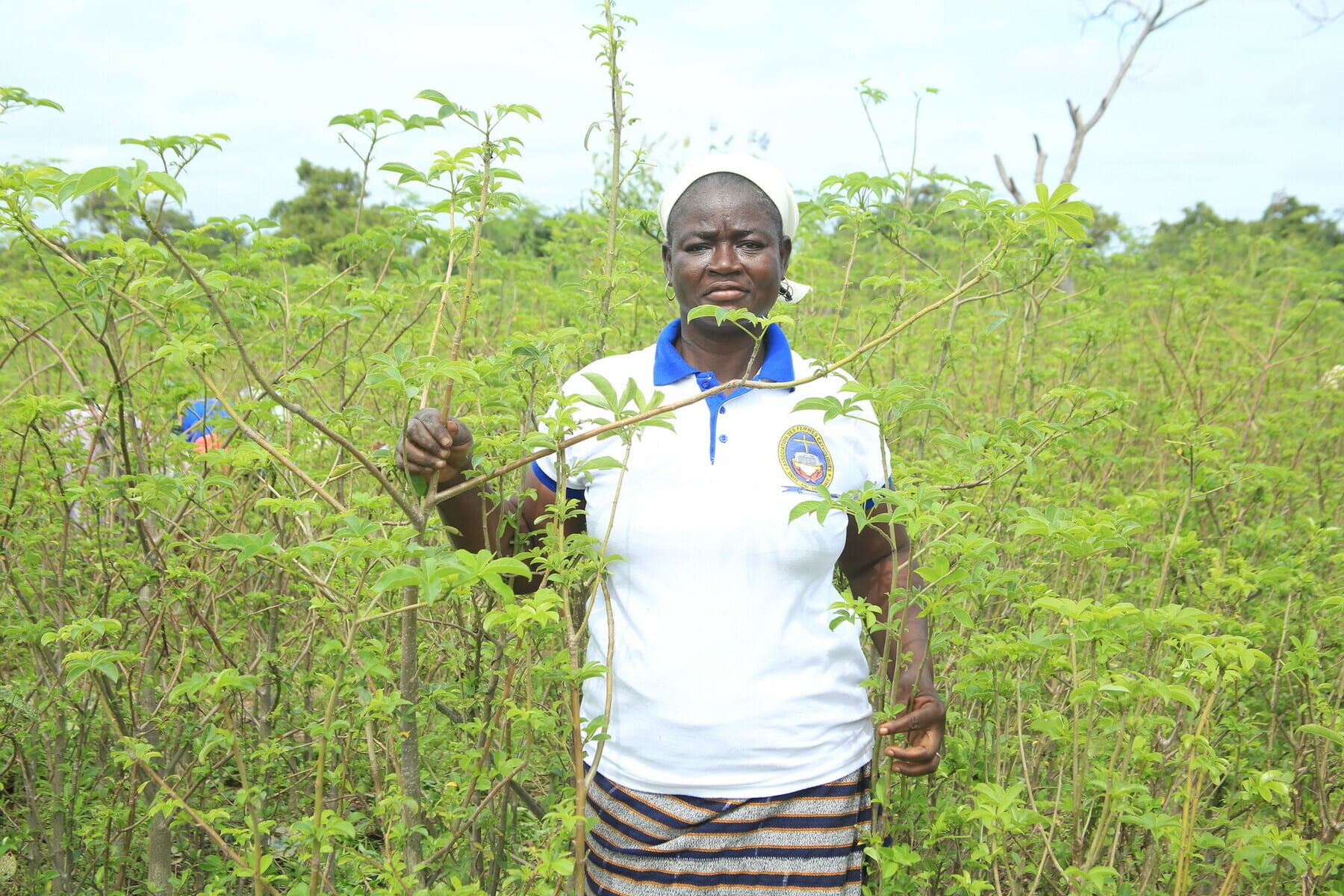
This project aimed to support women and children who are often the most vulnerable to hunger and poverty. Nutrition gardens were created and people received training on how to grow and care for moringa and baobab trees, providing nutritious food to 2,000 households.
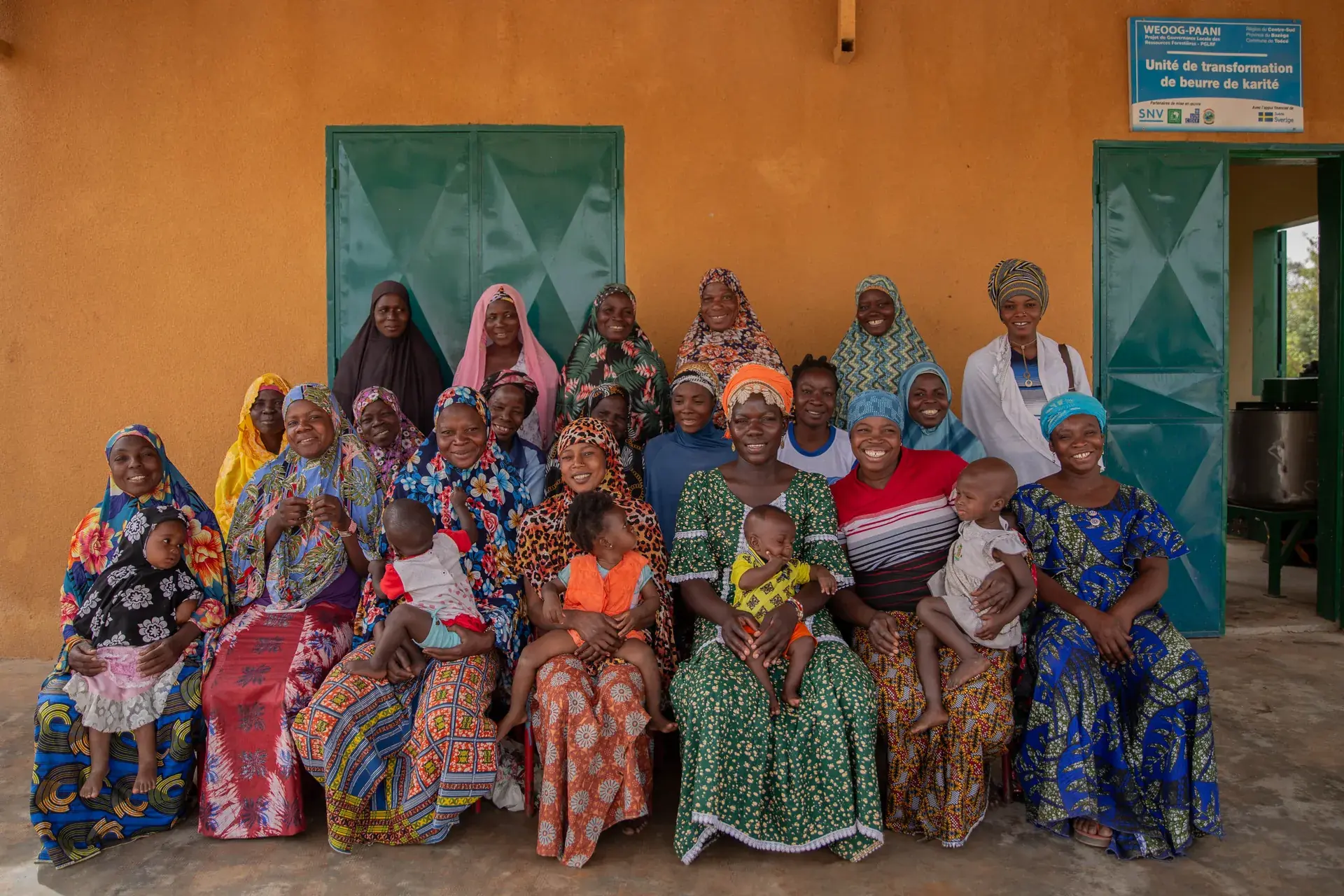
We also worked with local authorities to influence policies and laws, helping to protect trees and promote the use of their products to make things like shea butter to sell. We supported communities with tools, training, and opportunities to sell their products in shops and kiosks.
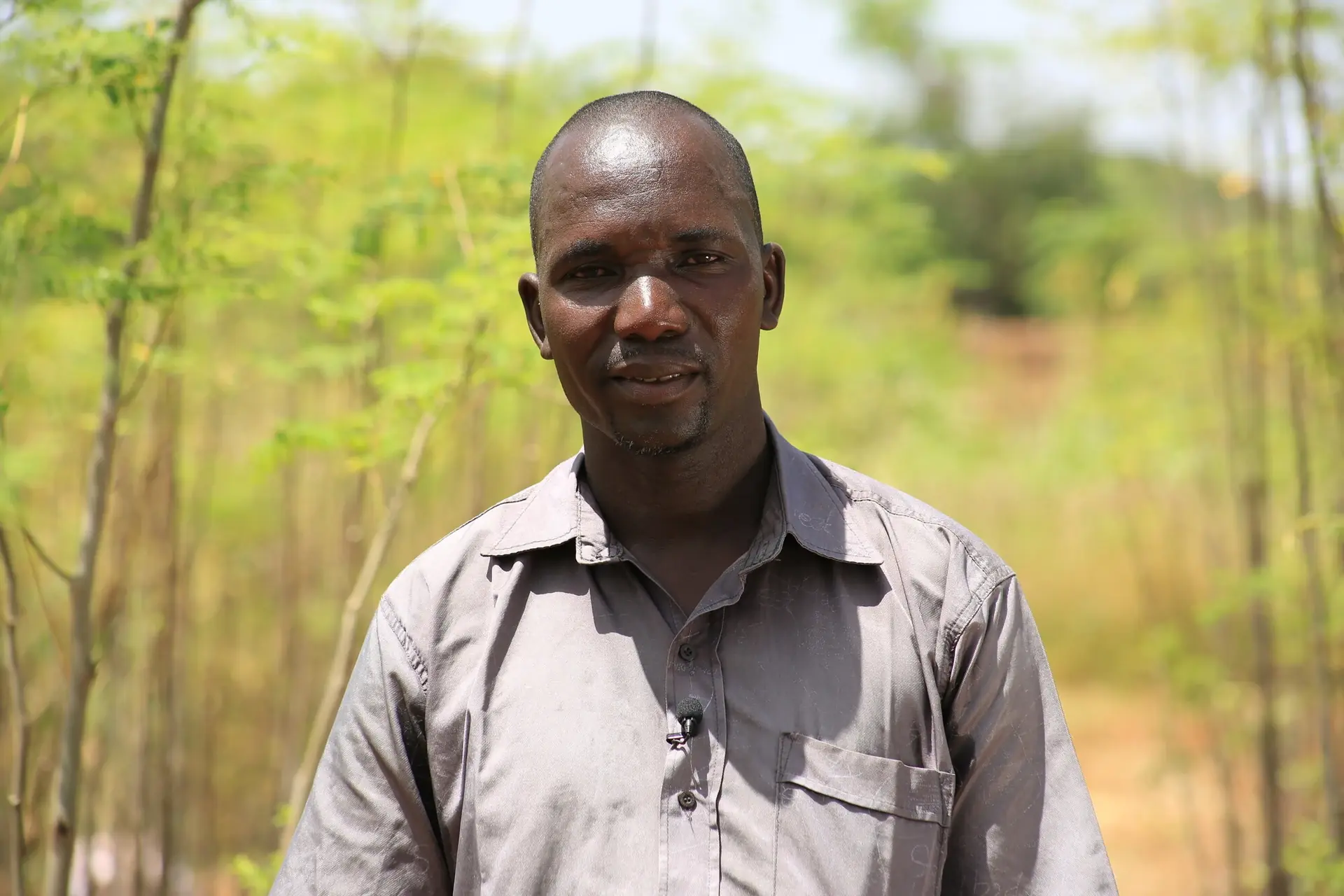
We joined the project because we needed more resources. Now I am busy in the garden planting moringa. Moringa leaves are rich in nutrients, so we can eat these at home and sell some too. Now, the garden is our gold.
Fatimata, Boulzoma, Burkina Faso
Read the inspiring real stories of people we’ve worked with in Burkina Faso.