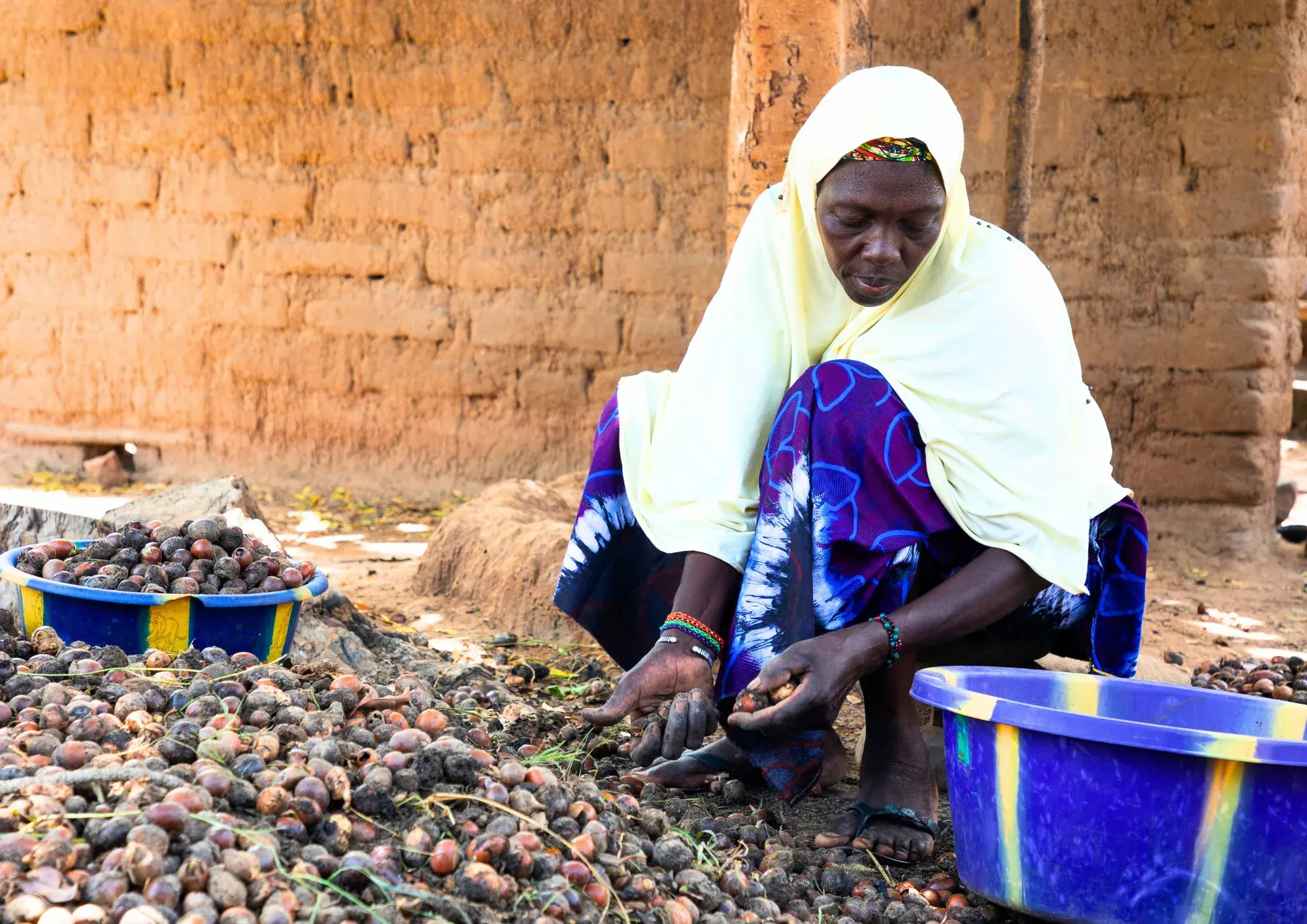
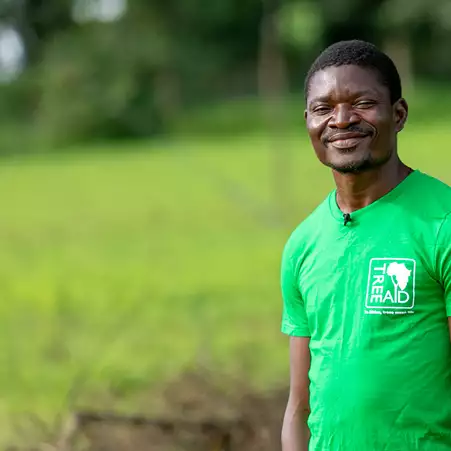
Setou’s Story
“Agriculture is all we do, and we are entirely dependent…
trees grown
tonnes of CO2 sequestered
over 25 years
hectares of farmland under
sustainable management
The climate crisis is reshaping life across Africa: rising temperatures, shifting rainfall, and soil that’s losing vitality. In this harsh landscape, the challenge is more than environmental, it’s human.
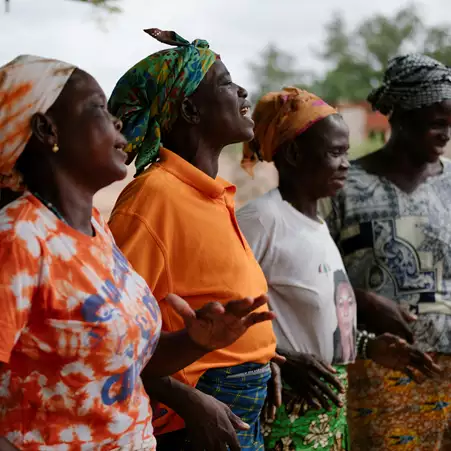
In Mali, around 68.3% of people are living in multidimensional poverty, meaning they lack basic things like education, healthcare, clean water, electricity, or decent housing. In Senegal, the figure stands at 50.8%. Many people face insecurity over access to land and natural resources. Women, in particular, are often cut off from the land, tools and training they need to grow food and earn a living.
Trees offer a solution. They restore soil fertility, absorb carbon, and strengthen nature’s resilience.
We’re growing nearly 500,000 trees in Mali and Senegal to restore degraded land and support local communities. Using native, food-producing species, these trees provide resilient sources of food and income while contributing to the Great Green Wall and fighting climate change.
Through agroforestry and sustainable techniques like rainwater harvesting, we’re helping farmers regenerate soil, boost productivity and care for their land for years to come.
The Olympic Forest is a powerful example of how sport can drive meaningful environmental and social change. With this project, we are not just planting trees—we are investing in a more sustainable future for the local communities. As leaders of the Olympic Movement, we have a responsibility to act, inspire, and create lasting impact.'
Marie Sallois, Corporate and Sustainable Development Director, IOC
Two thirds of Mali is desert, and a third of its population lives in extreme poverty.
Tree Aid has been working with locals to tackle this since 1993.
Read some of their stories.