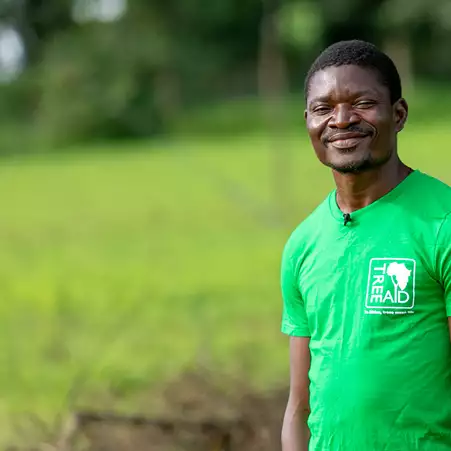
Setou’s Story
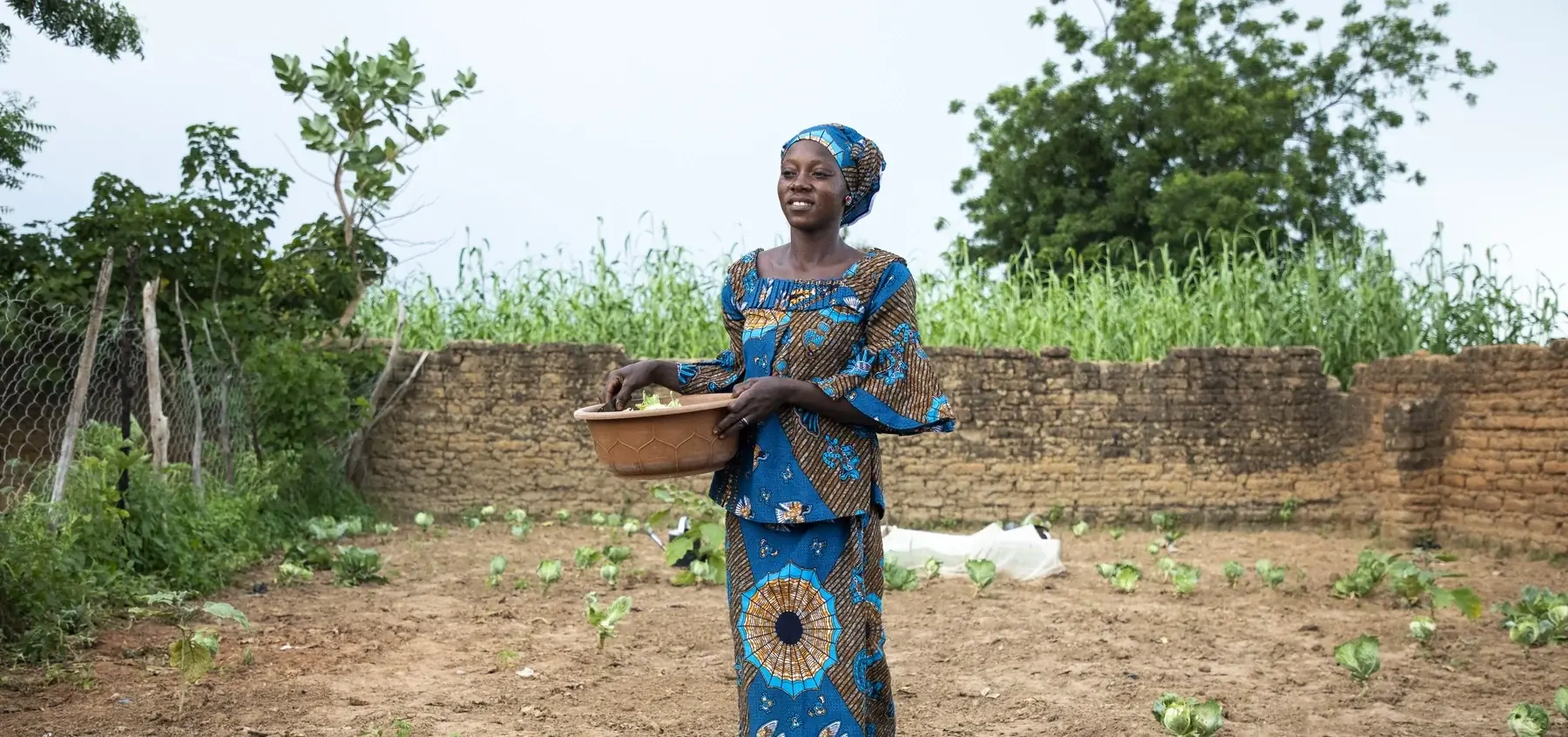
“Agriculture is all we do, and we are entirely dependent…
Together with local people, we grew over 670,000 trees, protected over 11,500 hectares of land, and lifted 905 households above the poverty line.
trees grown
hectares of land benefiting from natural
resource management techniques
average increase in household income
from non-timber forest products
of participants reporting fair
and equal access to local forest resources
Mali’s environment is under growing strain. In just 20 years, more than 250,000 hectares of tree cover (almost twice the size of Greater London) have vanished, leaving the land exposed to heat and drought. In the Ségou region, where most people rely on farming, the effects are severe. The Duwa and Sutebwo forests have been hard hit by deforestation and the effects of the climate crisis. Unpredictable rainfall, soil erosion, and the loss of trees have made it harder for families to grow food or earn a steady income.
As forests shrink, so do people’s options. Women and young people, in particular, face growing challenges accessing fertile land and sustainable livelihoods. With over 68% of people in Mali living in multidimensional poverty, restoring trees and soil in Ségou isn’t just about protecting nature—it’s about securing the future of entire communities.
This project set out to protect and restore Ségou’s forests while strengthening livelihoods for the people who depend on them. Working with local authorities and community leaders, we aimed to create fair, locally led rules for how forests are used and cared for. We also set out to equip communities with the skills they need to conserve and restore their land for the long term.
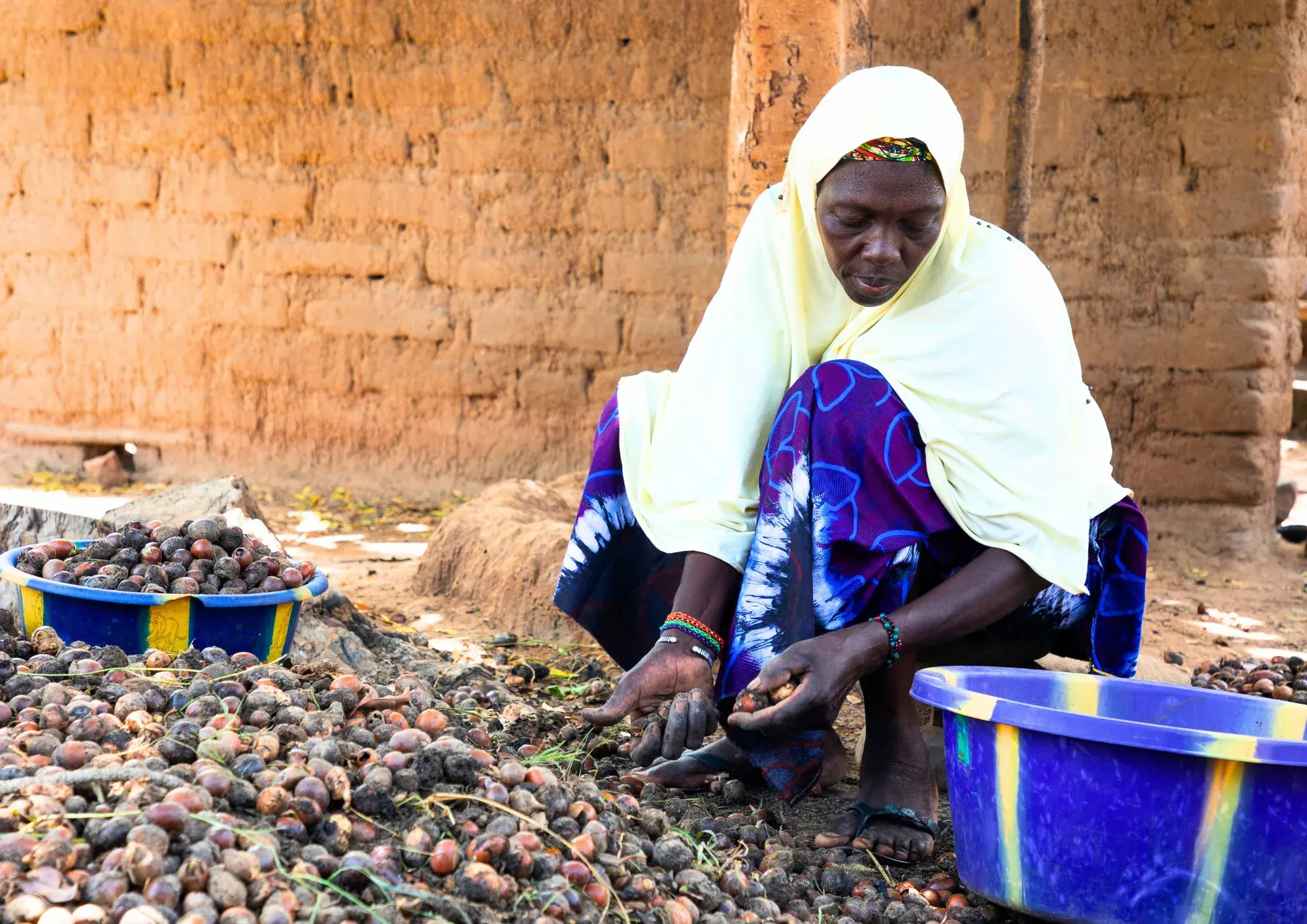
To help tackle poverty, the project supported people to form and grow small enterprise groups. With training, tools, and guidance on processing and marketing products like shea butter, the project aimed to open up new income opportunities and boost household earnings.
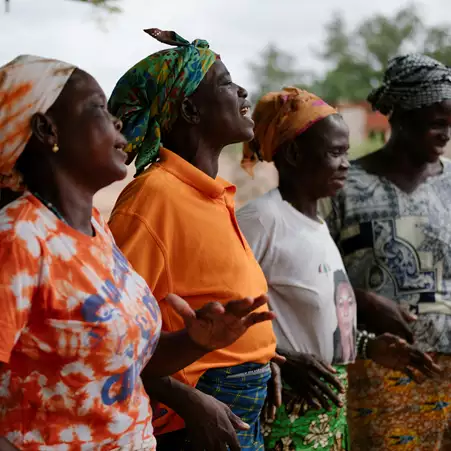
Shea soap and butter production provides us with an income and allows us to have savings. We can use this money to pay for our children’s school fees.
Annè Kone, Sanda, Ségou
The project closed in 2020 with powerful results. We trained nearly 1,500 farmers in techniques like natural regeneration and soil and water conservation — skills that are already transforming the landscape. In Sutebwo forest, tree cover has doubled, a clear sign of what happens when communities have the knowledge and tools to restore their land.
We also worked with local authorities to strengthen community rights over forest use. Today, 75% of participants say they now have fair and equal access to their local forests; a crucial step toward long-term, locally led forest stewardship. We supported shea and honey enterprise groups with training and better equipment — and the impact was striking. 905 households rose above the poverty line, and incomes increased by an average of 270%. Families are now able to save, invest, and access more nutritious foods, reflected in a clear boost to dietary diversity.
Two thirds of Mali is desert, and a third of its population lives in extreme poverty.
Tree Aid has been working with locals to tackle this since 1993.
Read some of their stories.